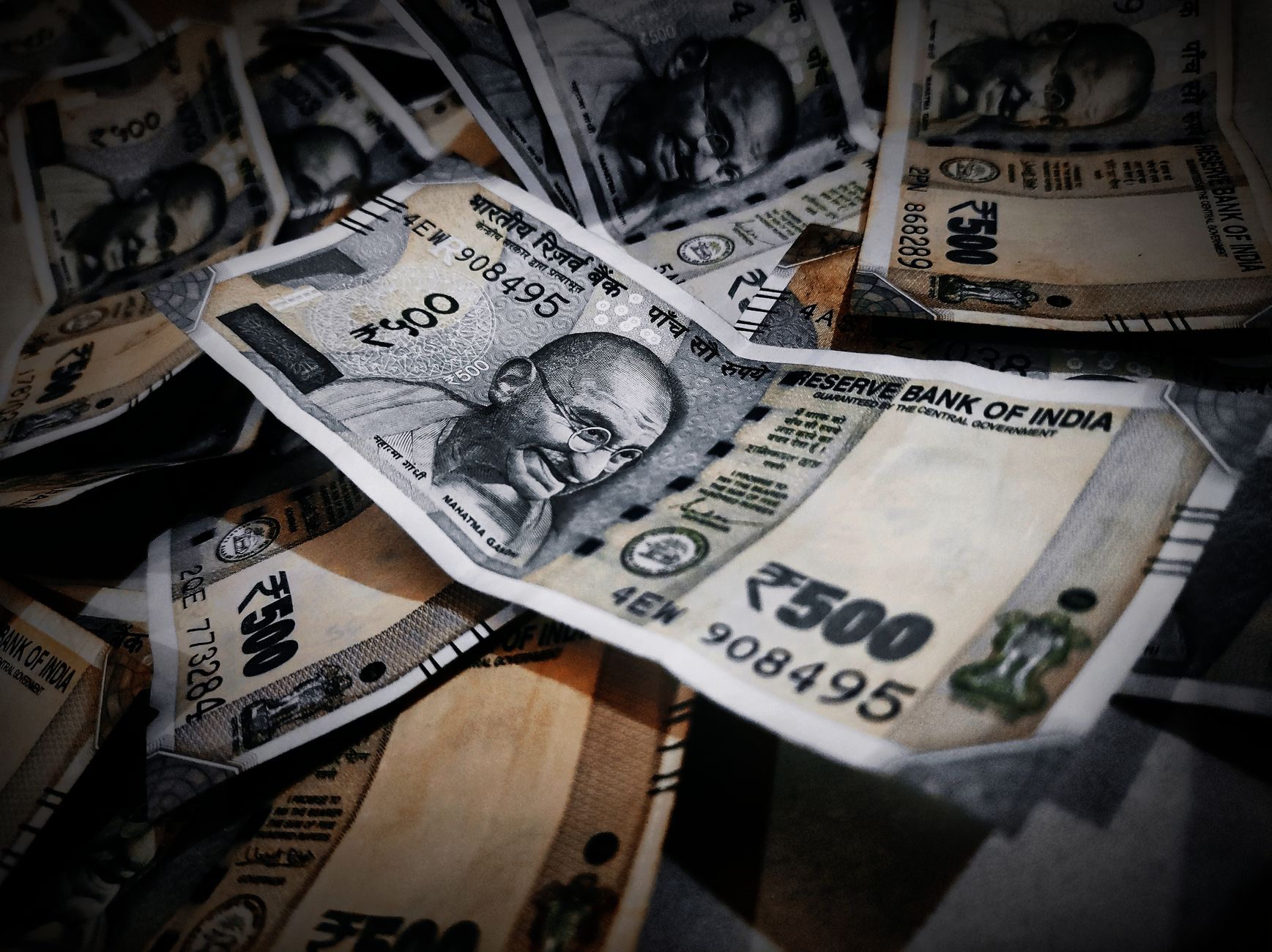
For months, Moscow and Beijing had been steadily amplifying their calls to dismantle Western monetary hegemony, dangling before the developing world the prospect of a unified, bloc-wide alternative. India’s commerce minister Piyush Goyal said that, India is not in favour of a BRICS currency, does not support any such scheme, and remains fundamentally opposed to its creation.
The rejection was neither accidental nor surprising. For all the rhetoric surrounding multipolarity and de-dollarisation that routinely emerges from summits in Kazan or Beijing, the proposal for a common currency within BRICS has collided with a cold structural reality. Creating a unified monetary framework requires deep institutional trust, macroeconomic convergence, and a willingness to surrender monetary sovereignty to a central entity. Within a disparate group composed of India, China, sanctioned Russia, and a diverse array of middle income economies, those prerequisites are entirely absent.
To understand why New Delhi has drawn such a firm line, one must examine the mechanics of contemporary international trade and the geopolitical ambitions of its chief advocate, China. The drive away from the dollar gained dramatic momentum following the Western sanctions imposed on Moscow in 2022, which saw Russian institutions largely cut off from SWIFT, the Belgian-based international financial messaging system. Facing economic isolation, Russia sought alternative clearing channels, accelerating its reliance on China’s Cross-Border Interbank Payment System (CIPS) and pushing for broader non-dollar trade mechanisms.
For Beijing, the appeal of a BRICS currency or an expanded CIPS clearing mechanism is obvious. China boasts an economy that dwarfs those of its bloc partners combined. Its manufacturing surplus dominates global trade, and its Belt and Road Initiative has woven supply chains across Asia, Africa, and Latin America. In any pooled currency arrangement, monetary policy would inevitably reflect the interests of the People's Bank of China. The exchange rate would be anchored by Chinese trade flows, and liquidity would be underwritten by Beijing's vast capital markets.
From New Delhi's perspective, swapping American financial dominance for Chinese monetary hegemony would be an act of profound strategic folly. Relations between the two Asian giants remain deeply strained by unresolved border friction and an asymmetrical trade relationship. India already runs a substantial trade deficit with China, importing critical technology, active pharmaceutical ingredients, and industrial machinery. Subscribing to a shared currency mechanism governed by Chinese economic weight would expose the Indian rupee to Beijing's exchange rate manipulation and risk eroding India's own monetary autonomy. Sharing a currency infrastructure with a rival whose strategic ambitions conflict directly with Indian national interest is a non-starter.
Furthermore, the practical economic hurdles facing a single monetary unit are insurmountable. The Eurozone, despite its shared democratic norms, open borders, and tightly integrated markets, has spent two decades grappling with the severe strains of uniting fiscally divergent nations under a single central bank. BRICS possesses none of the Eurozone's economic symmetry. The economic profiles of its members range from commodity exporters like Brazil and South Africa to energy exporters like Russia and Saudi Arabia, and manufacturing powerhouses like China. Their inflation rates, capital account regulations, and debt profiles diverge wildly. Establishing a fixed exchange rate mechanism or a central bank for such a mismatched group would guarantee structural crises at the first sign of an external shock.
India also recognizes the immense risks of provoking open conflict with Washington over global reserve assets. Trade between India and the United States has expanded rapidly, making America one of India's most critical export destinations and investment partners. While Washington has voiced deep frustration with de-dollarisation initiatives, threatening punitive measures and tariffs against countries actively working to undermine the dollar, New Delhi has carefully preserved its strategic flexibility. India maintains a delicate balance, participating in security groupings like the Quad alongside the United States while engaging with the Global South through platforms like BRICS. Joining an anti-dollar crusade spearheaded by Moscow and Beijing would jeopardize India's integration into Western supply chains without offering any tangible economic compensation.
Crucially, opposing a shared BRICS currency does not mean India favors absolute dependence on the greenback. New Delhi has instead pioneered a pragmatic, bilateral strategy focused on local currency settlements and modern digital payment interfaces. Rather than attempting to erect a grand rival currency, India has encouraged trade partners to clear transactions directly in Indian rupees and local currencies, bypassing third-party conversions.
Through bilateral arrangements with nations in the Middle East, Southeast Asia, and Africa, India is actively linking its Unified Payments Interface (UPI) with foreign fast-payment systems. This approach achieves the immediate, practical benefits of de-dollarisation, lower transaction costs, reduced settlement times, and insulation from external shocks, without forcing India to relinquish control over its monetary policy or tie its fortune to a foreign central bank.
Simultaneously, the BRICS group itself is focusing on digital infrastructure rather than physical currency unification. Central Bank Digital Currencies (CBDCs) and inter-linked national clearing platforms offer a way for member states to streamline cross-border trade settlements while retaining their sovereign currencies. The New Development Bank, established by BRICS, continues to expand local currency lending, allowing members to fund infrastructure projects without building up unmanageable dollar-denominated debt.
By rejecting the grand illusion of a BRICS currency, India has injected a necessary dose of realism into the bloc's debates. Piyush Goyal’s declaration in Jaipur underscored a fundamental truth that many commentators routinely overlook: BRICS is not a monolith, nor is it an anti-Western military or economic alliance. It is a heterogeneous forum of emerging economies pursuing distinct, and often competing, national interests. For India, economic sovereignty and monetary independence are paramount. New Delhi will happily leverage BRICS to amplify the voice of the Global South, reform multilateral institutions, and lower trade barriers. But it will not trade the security of the rupee for a political currency controlled from Beijing.