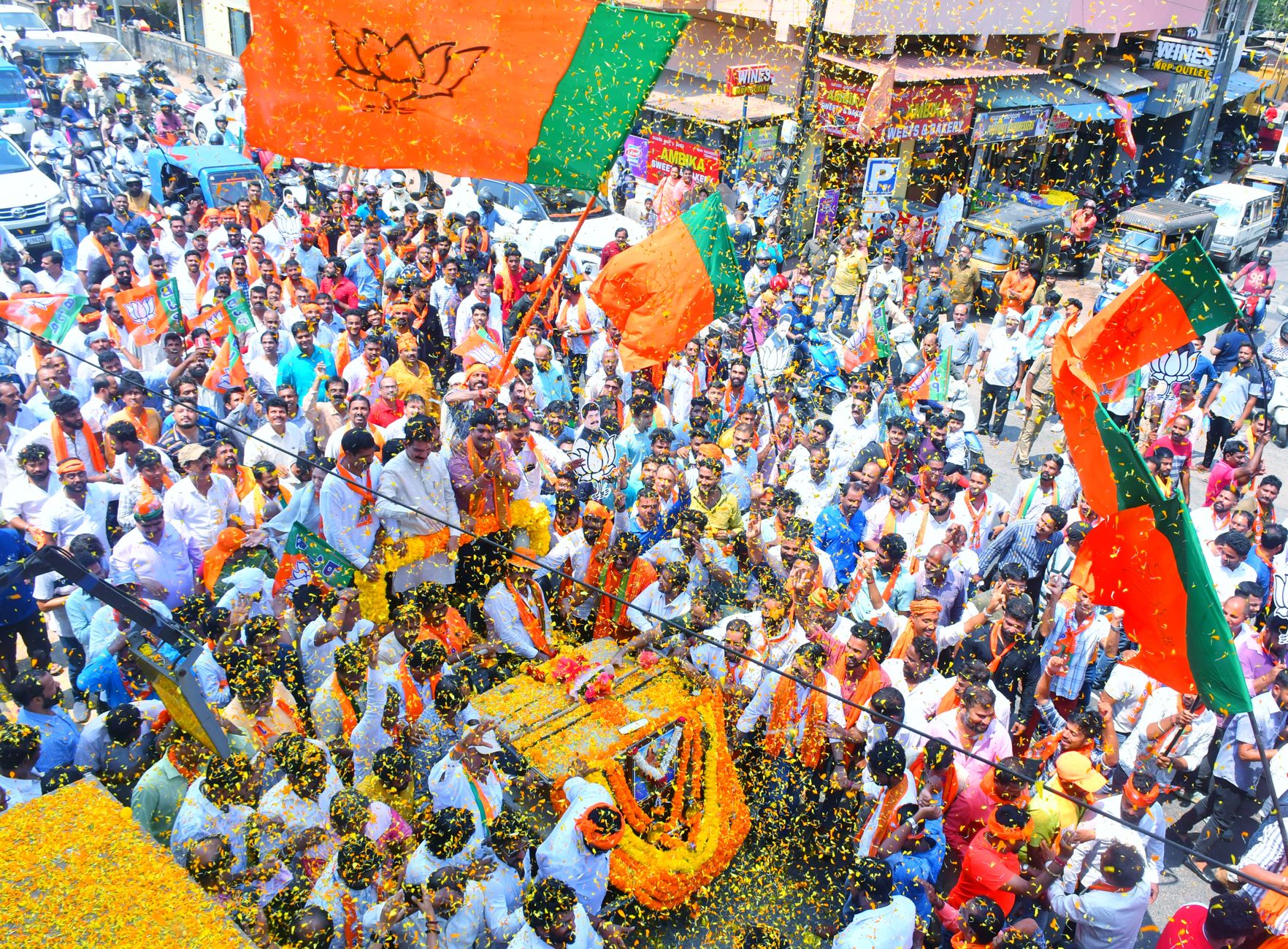
As rumors swirl of a sweeping overhaul in New Delhi, India's ruling party demonstrates a political luxury few parliamentary democracies can match: the ability to purge top ranks without fear of mutiny.
A sense of anticipation hangs over Raisina Hill. Speculation is rife that Prime Minister Narendra Modi is preparing a major cabinet reshuffle, one that could potentially replace up to half of his current council of ministers. In most democratic systems, a purge of such proportions would trigger instant rebellion, splintering coalition partners and creating formidable internal factions. Yet within the ruling Bharatiya Janata Party (BJP), the prospect of a massive organizational shift is met with quiet obedience.
This political immunity is no accident. Over the past decade, Mr Modi and his inner circle have built a central command structure that operates with near-absolute discipline. Uncompromising ideological alignment, strict cadre control, and the unquestioned personal authority of the prime minister mean that high-profile figures can be sidelined without consequential backlash. Senior leaders who were once thought indispensable, from state chief ministers to veteran cabinet hands, have repeatedly been moved to the margins or reassigned without creating public dissent. While figures in other political organizations might launch destructive counter-offensives, BJP stalwarts quietly accept their new assignments.
The mechanics driving this potential reshuffle, however, extend far beyond internal party discipline. Several strategic imperatives are converging at once.
First lies the eternal arithmetic of state elections. With critical assembly contests approaching in states like Uttar Pradesh and Punjab, cabinet posts serve as high-visibility assets. By elevating regional figures or granting prominent ministries to targeted geographies, the ruling party can signal commitment to local electorates, turning central government appointments into effective campaign messaging.
Second is the tactical management of parliamentary numbers and coalition expansion. The government faces crucial legislative hurdles ahead, including proposed bills on constituency delimitation and women's reservation, which require two-thirds majorities. Securing such margins demands strategic flexibility. Whispers of potential cabinet berths serve as powerful incentives for cross-party defections and new alliance configurations. Regional factions, including breakaway groups and potential returning allies in northern and southern states, are carefully watching how cabinet portfolios might be distributed.
Third, and perhaps most pressing, is the urgent need for political re-branding. Recent public sentiment surveys and local election indicators suggest that the administration's armor is showing rare signs of wear. Economic pressures, particularly stubborn inflation, combined with recent policy friction among traditionally friendly demographics, such as urban youth and upper-caste constituencies, have generated noticeable headwinds. In corporate turnarounds, when a brand faces reputational drag, executives often unveil a refreshed leadership team. In statecraft, a major cabinet overhaul achieves much the same effect. Bringing in younger faces and shuffling familiar portfolios offers the electorate a visual reset, signaling responsiveness without admitting systemic policy failure.
Whether the impending cabinet purge claims half the ministry or a more modest fraction remains to be seen. What is already clear, however, is that Mr Modi possesses the structural authority to execute whatever changes he deems necessary. In an era where many global leaders find themselves constrained by precarious parliamentary margins and unruly backbenchers, New Delhi's executive power remains singularly concentrated.