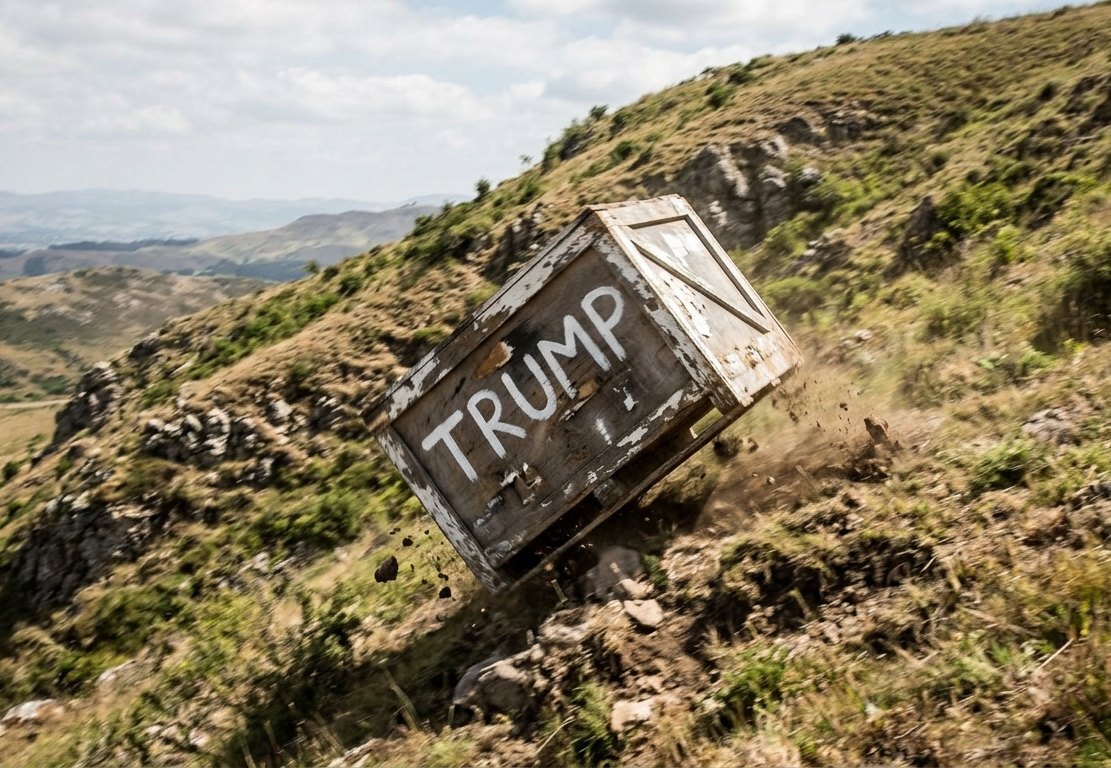
As autumn settles across the United States, political attention turns toward the looming congressional contests that arrive precisely halfway through a presidential term. With voters heading to the polls on November 3, 2026, the legislative balance of Washington hangs in the balance. All four hundred and thirty-five seats in the House of Representatives and thirty-five seats in the Senate are up for grabs. These quadrennial battles serve a constitutional purpose designed by the framers: to provide a legislative check on executive overreach, allowing the electorate to recalibrate power when policy directions stray from public sentiment.
Historical precedent rarely smiles upon the party occupying the White House during midterm cycles. Aside from exceptional moments of national crisis that temporarily rally public support around the commander-in-chief, the incumbent president’s party almost invariably sheds congressional seats. Yet the current political environment under Donald Trump approaches this historical headwind with uniquely intensified friction. Independent nonpartisan trackers, most notably the Cook Political Report founded by Charles Cook, indicate that Democratic challengers hold a distinct advantage, poised to pick up between five and fifteen seats in the legislature. Furthermore, recent polling data shows registered voters favoring Democratic candidates by an eight-point margin, reflecting deep structural dissatisfaction.
Several compounding domestic and international pressures explain this vulnerability. First, persistent inflationary burdens continue to squeeze household budgets across the country. Despite ambitious campaign promises regarding economic renewal, fuel prices have surged to six dollars per gallon, forcing the trump administration into paradoxical policy maneuvers. Attempts to manage energy shortages have led to controversial diplomatic arrangements involving Russian oil imports, contradicting earlier legislative efforts championed by Republican lawmakers. Gasoline, fuel, and grocery inflation have driven up the cost of living, alienating the multi-ethnic and non-white working-class blocs that crossed party lines to support Trump during the previous presidential campaign.
Second, foreign policy missteps have dismantled the trump administration's early isolationist appeal. The promise to resolve foreign conflicts swiftly has given way to an erratic web of international confrontations. Rather than winding down foreign entanglements, the trump administration has expanded military operations across multiple fronts, clashing with actors in West Asia, conducting strikes in Venezuela and Somalia, and trading hostile rhetoric with traditional European allies and NATO partners. This return to interventionism has alienated voters who bought into the anti-war rhetoric that defined the previous election cycle.
Third, aggressive immigration policies intended to cement a loyal base among white nationalist and right-wing constituencies have overreached, triggering broader societal backlash. This dynamic has complicated local contests, such as the high-stakes gubernatorial race in Ohio. There, prominent conservative figure Vivek Ramaswamy struggles in the polls against his Democratic opponent, hampered not merely by regional politics but by an anti-immigrant political ecosystem that ultimately creates systemic hurdles even for conservative candidates of color.
Fourth, fiscal conservatism has translated into painful domestic rollbacks. Expenditure cuts to Medicaid, the federal program providing healthcare support for lower-income Americans, have hit vulnerable populations hard. While funding for federal departments associated with defense and security swells, the dismantling of educational infrastructure and social safety nets deepens the economic anxiety felt by ordinary citizens. Combined with rising urban crime rates and high-profile domestic violence incidents, these factors have created an atmosphere of generalized unease.
Sensing the mounting danger, the president has sought to transform the legislative referendum into a personal referendum, urging supporters to view the ballot as a direct endorsement of his leadership. However, public approval ratings for trump have slumped toward thirty percent, a remarkably low threshold that points to profound public fatigue. When asked whether he would respect the certified outcome of the vote, Trump’s response was conditioned on whether the process proved honest, hinting at a narrative of potential electoral irregularity should losses materialize.
As the nation approaches November 3, the signs point toward a substantial legislative shift. The American electorate appears prepared to exercise its constitutional prerogative, reasserting checks and balances upon an administration grappling with economic discontent, foreign policy turbulence, and domestic exhaustion.