For decades, the Indian capital has worn its political vitality on its sleeves, accommodating every shade of dissent from candlelit vigils to spirited public demonstrations. Yet, recent weeks have transformed the heart of New Delhi into a landscape reminiscent of institutional paralysis. Streets stand barricaded, vital underground transit stations remain shuttered, and the fundamental right to peaceful assembly has been pushed to a precarious edge. At the epicenter of this turmoil is an escalating standoff between executive restrictions and judicial directives, prompting urgent legal battles that invoke the darkest chapters of the nation's democratic history.
The immediate crisis unfolded around high-profile public protests targeting key figures and institutions, including demonstrations led by political and civic coalitions near central Delhi. In response to the growing unrest, authorities deployed sweeping administrative measures. Large swathes of the capital saw the imposition of severe prohibitory orders, widespread detentions of citizens and political representatives, and the throttling of internet connectivity in affected zones. Crucially, public mobility suffered a severe blow as numerous metro stations were abruptly closed, paralyzing daily commuters .
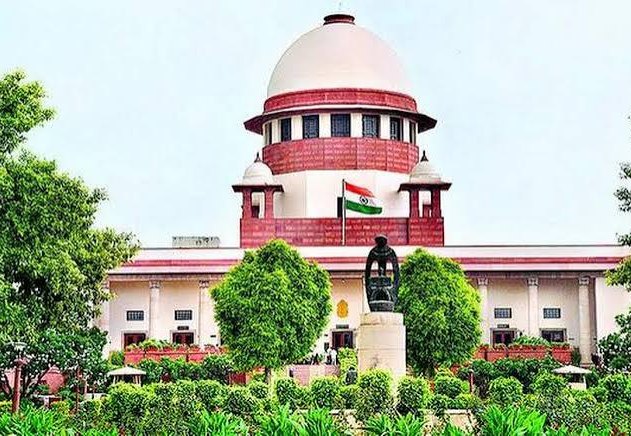
These heavy-handed steps triggered immediate judicial pushback. The Supreme Court intervened to check what petitioners termed an undeclared state of emergency. During intense hearings, the apex court bench made it clear that peaceful dissent remains a cornerstone of constitutional democracy, rebuking authorities for heavy-handed measures that overstep legal boundaries. The bench mandated the immediate restoration of normalcy, ordering that metro services, rail networks, and internet access be brought back online without delay. Furthermore, the court explicitly prohibited the illegal detention of unarmed protesters, drawing sharp parallels to the systemic overreaches witnessed during the 1975 Emergency.
Senior advocates appearing before the bench painted a grim picture of the capital's administrative climate. Submissions highlighted that thousands of individuals, including opposition leaders and activists, were whisked away to makeshift detention centers while internet blackouts shielded the crackdown from immediate public scrutiny.journalists, Lawyers themselves reported being accosted.this prompted the judiciary to issue protective directives ensuring that no professional is hindered in discharging judicial duties. The arguments repeatedly returned to a sobering question: whether administrative expediency can ever justify suspending the fundamental liberties guaranteed under the Constitution.
As the legal scrutiny intensifies, the standoff exposes deep fractures in the delicate separation of powers. The judiciary's sharp interventions serve as a vital check against administrative overreach, signaling that executive authority cannot operate in a legal vacuum. At the same time, the defiance of judicial expectations on the ground highlights the immense friction between governance imperatives and civil liberties. For a republic built on the bedrock of constitutional supremacy, the unfolding events in Delhi are a stern reminder that the line separating an assertive democracy from institutional authoritarianism requires constant, vigilant defense by both the Bar and the Bench.