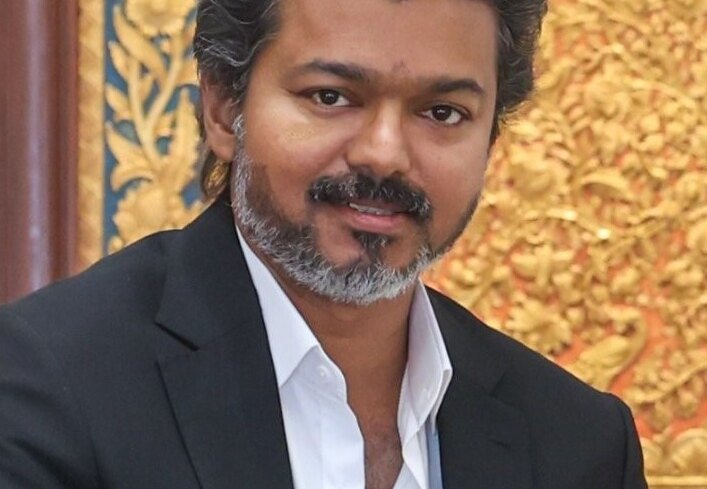
To his millions of devout film fans across southern India, C. Joseph Vijay’s transition from box-office titan to political chieftain was an inevitability written in silver-screen destiny. Yet, as his newly minted party, the Tamilaga Vettri Kazhagam (TVK), formally aligns with the national opposition INDIA alliance, the cold arithmetic of coalition building is replacing cinematic glamour with ideological awkwardness. For both the actor and the national opposition, this political wedding offers distinct short-term tactical advantages while laying the groundwork for severe long-term friction.
The alliance arrives at a pivotal juncture in Tamil Nadu politics. Following a dramatic reshuffling of state coalitions that saw the long-ruling Dravida Munnetra Kazhagam (DMK) part ways with the national bloc, the INDIA alliance found itself in urgent need of a credible anchor in the south. In Mr Vijay, they acquired an explosive political brand capable of mobilizing vast cohorts of young voters and disruptors eager for alternatives to the state’s entrenched political dynasties.
Yet, behind the triumphalist rhetoric from coalition headquarters lies a profound strategic dilemma. For Mr Vijay, much of his political allure rests upon his position as a fresh, uncorrupted third force in Tamil Nadu, operating outside the shadow of traditional party apparatuses. By stepping directly onto the national stage alongside seasoned regional players, he risks diluting the distinct identity that fuelled his initial movement. A charismatic outsider can quickly begin to look like just another player in a crowded parliamentary front.
For the national coalition, welcoming a star of Mr Vijay’s magnitude brings immediate star power, but it also introduces volatile internal dynamics. The actor’s brand of politics leans heavily on personal charisma and a broad, ill-defined populist appeal rather than rigid doctrine. Integrating such an erratic element into a multi-party platform with deeply entrenched ideological stances requires delicate diplomacy.
This tension is already visible in the coalition’s current campaigns. While the broader INDIA bloc has launched aggressive nationwide protests against institutional authorities, including the Election Commission, Mr Vijay’s strategists have trodden far more carefully. Having secured a significant mandate in recent regional contests, the TVK leadership is understandably hesitant to endorse blanket attacks on electoral institutions, lest doing so inadvertently cast doubt on the legitimacy of its own victories.
The dilemma boils down to a fundamental question of political identity. Can a regional star retain his status as an anti-establishment crusader while taking a seat at the high table of national opposition politics? For now, both sides are content to toast their new partnership, calculating that the shared benefit of collective strength outweighs the latent contradictions. But as national campaigns draw closer, the conflict between Mr Vijay’s individual political project and the collective imperatives of a national bloc will test whether this political marriage can endure beyond the opening scene.