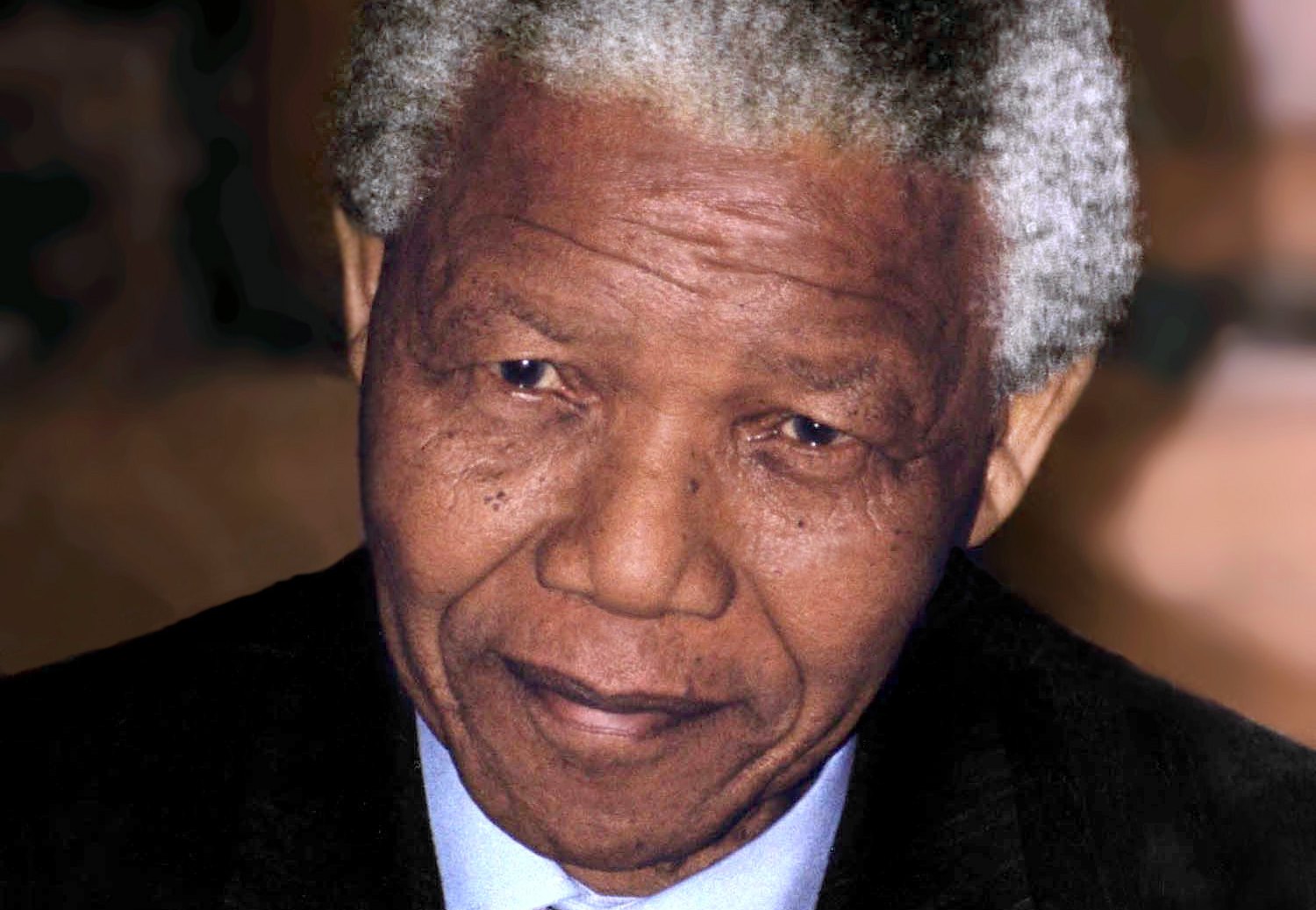
The political landscape of South Africa has undergone a tectonic shift following the recent municipal elections. The African National Congress, the historic liberation movement once led by Nelson Mandela, suffered what party leadership openly described as a catastrophic defeat. For decades, the organization dominated national politics, securing massive voter support in the wake of the dismantling of the white racist apartheid regime in 1994. At its peak, the party routinely commanded roughly 70 percent of the vote. However, recent election results mark a historic low, with the vote share plummeting to roughly 31 percent.
This decline did not happen overnight. The erosion of support has been systematic and continuous over recent election cycles. During the 2021 municipal elections, the party first dipped below the 50 percent threshold, securing about 46 percent of the vote. That downward trajectory continued into the 2024 national parliamentary elections, where the party lost its absolute majority in the National Assembly, winning only 159 out of 400 seats. Consequently, the organization was forced into a coalition government, choosing to partner with its principal rival, the Democratic Alliance.
The latest municipal figures illustrate just how deep the rot has gone. Out of the nine states in South Africa, the party secured a majority in only one. Out of the eight major cities, it managed a majority in just two cities. Meanwhile, the gap between the ruling party and its closest competitor has narrowed dramatically. The Democratic Alliance secured roughly 25 percent of the vote in these municipal elections, bringing the difference between the two leading entities down to a mere six percent. Political analysts note that given this rapid convergence, the opposition could soon capture power entirely.
Several core factors explain this profound collapse. First, economic conditions for ordinary citizens deteriorated significantly. Despite achieving political and civil rights after 1994, the population faced severe structural hurdles. According to official census data from 2023, the poverty rate stood at an alarming 63 percent, while unemployment soared to 41 percent. Such extreme figures are typically seen only in regions affected by active warfare. Public services collapsed in numerous areas, marked by severe disruptions in water and electricity supplies, deteriorating roadways, uncollected garbage, and broken street lighting.
Second, systemic corruption severely damaged public trust. Former president Jacob Zuma led the party and the country for nine years, during which he faced intense allegations of corruption before being removed from office and eventually expelled from the party. Although Cyril Ramaphosa succeeded him with promises of clean governance, current leadership also became entangled in financial scandals. Public scrutiny intensified after a substantial sum of unrecorded cash, roughly half a million dollars, was stolen from a private farm owned by the president, sparking parliamentary inquiries and impeachment calls regarding illicit wealth.
Third, severe internal factionalism tore the party apart. The expulsion and departure of figures like Jacob Zuma prompted entire segments of leadership and loyal voter blocs to break away and form competing political entities. A prime example is the party formed under Zuma's leadership, which captured roughly 10 percent of the vote in the recent municipal polls. Other splinter factions, such as the Economic Freedom Fighters, secured over 6 percent of the vote. Furthermore, long-standing allies severed ties. The South African Communist Party, which fought alongside the African National Congress and trade unions against the apartheid regime prior to 1994, chose to contest these municipal elections independently over deep disagreements regarding economic policies and government oversight, securing 2.4 percent of the vote.
The consequences of this fragmentation extend to the national government. In the wake of the 2024 parliamentary elections, the ruling party formed a national unity coalition. Critics pointed out the immense ideological irony of partnering with the Democratic Alliance, a party traditionally associated with white leadership, given that the liberation movement built its entire historical identity on fighting white racist rule.
With hundreds of local, state, and national political entities now dividing the electorate, the political ecosystem remains heavily fractured. The historic movement founded by Nelson Mandela now faces an existential crisis, caught between internal decay, severe economic hardship, and the steady erosion of public faith in its founding ideals.