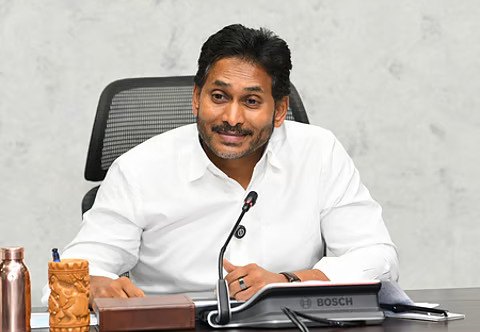
Recent political developments in Andhra Pradesh have ignited intense debate over whether YSRCP chief YS Jagan Mohan Reddy is pivoting away from his long-standing undeclared alignment with the Bharatiya Janata Party and moving closer towards the opposition INDIA bloc. For nearly twelve years, the YSRCP operated as an unacknowledged ally of the BJP in New Delhi, frequently backing central legislative decisions and policies. Yet, a noticeable hardening of tone from YS Jagan against BJP has altered the political calculus.
This apparent shift rests on a series of recent actions and statements.YS Jagan publicly criticized the arrest of CJP leaders, expressed open regret over his party's previous support for the contentious Chief Election Commissioner appointment bill in 2023, while facing a renewed momentum in daily court proceedings involving his long-standing criminal cases. Observers are left questioning whether these events signal a genuine realignment or a strategic maneuver in an evolving political landscape.
Four primary explanations shape this current speculation.
The first possibility is that as public dissatisfaction with the central government grows,YS Jagan is genuinely testing the waters to align with the opposition alliance. The second centers on the pressure exerted by the BJP and the National Democratic Alliance. As legal scrutiny tightens, YS Jagan may feel the urgent need for a broader national political shelter and greater space, mirroring how other regional forces navigate central pressure. A notable parallel exists in the Biju Janata Dal, another former unacknowledged ally of the BJP, which ultimately found itself contesting against the central ruling establishment alongside the Congress-led bloc.
The third explanation, and perhaps the most plausible, involves calculated bargaining. The central government currently enjoys the parliamentary backing of all twenty-five Lok Sabha MPs from Andhra Pradesh. Maintaining this status quo remains vital for the national ruling party, which explains why certain high-profile opposition leaders face aggressive central enforcement actions while regional dynamics in Andhra Pradesh remain distinct. By signaling a potential openness toward alternative national partnerships, the YSR Congress may simply be sending a sharp warning to New Delhi regarding its close ties with the Telugu Desam Party. This interpretation gains weight given that the party media apparatus continues to launch sharp critiques against the principal opposition Congress leadership, particularly Rahul Gandhi, suggesting that an outright organic entry into the rival bloc is unlikely.
The fourth factor concerns the harsh survival realities facing parties situated outside both major national coalitions following the 2024 parliamentary elections. Regional entities that attempted to maintain an equidistant stance from both the ruling coalition and the opposition bloc, such as the YSRCP, Bharat Rashtra Samithi, and Biju Janata Dal, suffered severe electoral setbacks. With the strong likelihood of simultaneous national and state elections arriving in the future, the political pressure on regional leaders to pick a distinct side on the national stage will only intensify. Remaining entirely unaligned risks complete political marginalization when voters demand clear allegiances.
Ultimately, while friendly gestures toward broader opposition figures have occurred, the strategic posturing resembles a familiar cinematic tactic. By signaling alternative options to the BJP without completely burning bridges, the YS Jagan aims to secure leverage in a volatile regional arena where old equations are rapidly fracturing.