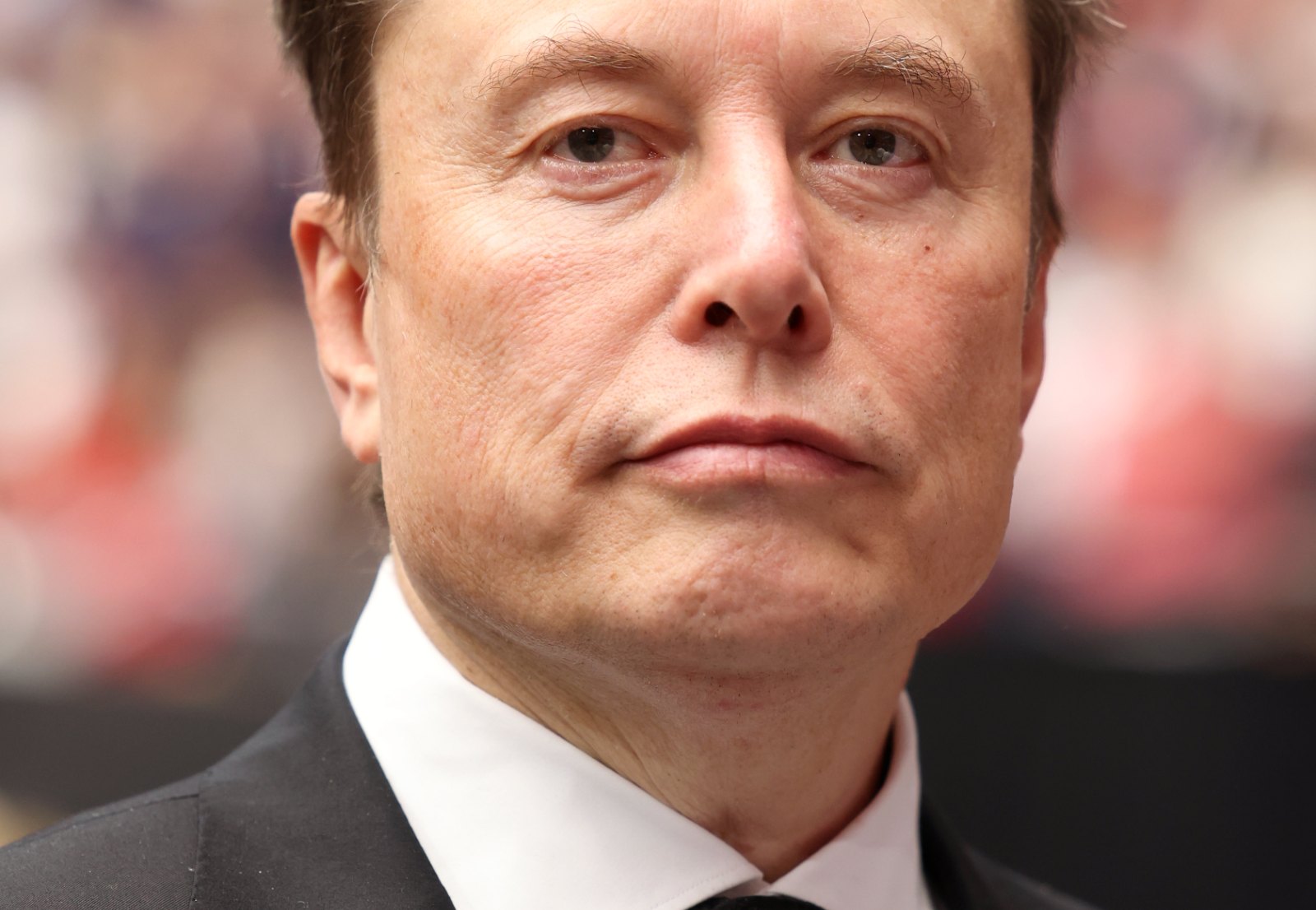
Elon Musk seldom minced words when confronted with regulatory friction, but his latest public outburst struck at the heart of India’s economic establishment. Reacting to protracted delays in securing operational approval for Starlink, his satellite internet service, the tech billionaire publicly questioned whether Mukesh Ambani, head of India’s largest conglomerate Reliance Industries, was the real boss of the country.
The public spat erupted after Starlink’s application for a final commercial licence hit an impasse in New Delhi. Musk asserted that SpaceX had spent five years fulfilling every statutory requirement mandated by Indian regulators and had already secured operating licences across more than 165 countries. He alleged that domestic oligarchs were leveraging their political leverage to block foreign entrants, aiming to shield established telecom monopolies from lower-priced, high-speed competition.
The government moved quickly to neutralize the fallout. The Department of Telecommunications rejected allegations of bias, characterizing the regulatory protocol as neutral, non-discriminatory, and applied identically across all entrants. Officials, including Minister of State for Communications Chandra Sekhar Pemmasani, stated that while technical and spectrum permissions had been granted provisionally, security clearances remained under review by the Ministry of Home Affairs. According to official figures, existing domestic applications from Reliance Jio and Bharti Airtel’s satellite venture, Eutelsat OneWeb, were progressing through the same security evaluation phases.
Yet the controversy quickly assumed political dimensions within India’s parliament. Rahul Gandhi, Leader of the Opposition in the Lok Sabha, seized upon Musk’s comments to launch a scathing attack on the ruling government’s economic record. Rahul Gandhi dryly remarked that Musk would soon discover the other guy, an explicit reference to Gautam Adani, another industrialist frequently accused by political critics of benefiting from state-directed economic patronage. Musk responded that the prevailing market landscape was indeed troubling.
While Musk’s public critique highlighted structural opacity within Indian market access, the underlying geopolitical and economic reality remained complex. The contest is not merely a corporate rivalry over spectrum allocation, but an intense confrontation over digital infrastructure, data sovereignty, and market dominance in one of the world's fastest-growing digital economies.
The Dynamics of Domestic Monopoly
For over a decade, Indian telecommunications has undergone radical consolidation. Through aggressive pricing strategies, massive infrastructure investment, and regulatory navigation, Reliance Jio emerged as the dominant provider, amassing hundreds of millions of subscribers and restructuring the domestic market. Behind this expansion lay significant policy shifts, including government spectrum auctions and regulatory decisions regarding tariffs and interconnection fees that systematically squeezed smaller telecom operators out of the market.
When Starlink sought to deploy its low-Earth orbit satellite array across rural and underserved Indian regions, it posed a direct challenge to this terrestrial duopoly. Satcom technology bypasses traditional ground tower infrastructure, enabling high-speed connectivity across remote regions where laying fiber cables remains financially unviable. For incumbents who invested tens of billions of dollars building physical networks, the entry of an unencumbered global satellite operator threatens both pricing power and future enterprise margins.
The regulatory dispute hinges heavily on spectrum allocation methods. While international standard practice favors administrative assignment for satellite frequencies to ensure shared usage across global constellations, domestic players previously advocated for competitive auctions, an approach that would favor deep-pocketed domestic balance sheets over foreign providers. Although the central government eventually aligned with international norms by opting for administrative allocation, the subsequent security clearance delays effectively achieved the same outcome: holding back foreign deployment while domestic alternatives built out competing satellite infrastructure.
Sovereign Security or Economic Protectionism?
The central government maintains that national security concerns dictate the pace of satcom approvals. Unlike terrestrial networks, which route traffic through physically localized data centers, satellite constellations rely on inter-satellite laser links and distributed ground stations. Indian security agencies have raised questions regarding signal monitoring, data localization, end-to-end encryption access, and gateway operations within national borders.
Critics argue that security reviews are frequently deployed as convenient regulatory hurdles to protect favored domestic enterprises. In India's managed market environment, regulatory agencies often act as gatekeepers rather than neutral referees. By delaying security vetting for foreign players, regulatory bodies grant local conglomerates crucial time to launch competing services, secure enterprise contracts, and capture consumer market share before foreign competitors can gain an operational foothold.
This dynamic illustrates a broader pattern within contemporary Indian economic policy. While the administration actively courts high-profile foreign direct investment through global summits and manufacturing subsidies, the reality on the ground often involves navigating intricate bureaucratic hurdles designed to protect domestic champions. Foreign technology firms frequently find themselves forced into joint ventures or local equity arrangements with powerful domestic business groups as an informal price of market entry.
Broader Consequences for Global Investors
The public clash between Silicon Valley’s wealthiest chief executive and India’s premier industrialist carries wide-ranging implications for global capital allocation. For years, Western companies seeking to diversify supply chains away from China viewed India as an ideal alternative platform. However, high-profile regulatory disputes threaten to undermine institutional confidence among foreign investors.
When multinational technology companies encounter entrenched domestic monopolies backed by state regulatory delays, the risk profile of investing in the country escalates dramatically. Musk's public frustration reflects a broader tension felt by global corporations attempting to enter heavily regulated consumer markets across developing economies.
The resolution of the satcom dispute will serve as a bellwether for India’s economic reforms. If foreign satellite providers are indefinitely stalled under the guise of security clearances while domestic operators receive commercial licenses, it will reinforce perceptions that the market remains inherently tilted toward national champions. Conversely, a transparent, timely authorization process would signal that regulatory equity takes precedence over political connections.
As satellite technology redefines global communication networks, the Indian government faces a choice between protecting domestic market share for favored conglomerates or opening its digital economy to international competition. For the millions of citizens in remote regions awaiting affordable, reliable internet access, the outcome of this dispute will determine not just who controls the sky, but how fast the country integrates into the global digital economy.