Global honors often elicit predictable choreography from world capitals. When a prominent international figure receives the Nobel Peace Prize, host governments rush to issue effusive congratulatory statements, framing the accolade as a collective triumph for national diplomacy or diaspora pride. Yet in New Delhi, the announcement naming Navi Pillay among the laureates was greeted by a striking diplomatic silence. Prime Minister Narendra Modi, usually quick to amplify the achievements of prominent figures of Indian origin on the world stage, remained conspicuously muted.
The reticence of the Indian state is not accidental. It is the product of a calculated foreign policy dilemma where strategic alliances supersede institutional solidarity. Pillay, a South African jurist of Indian descent, has carved a formidable reputation as an uncompromising defender of international human rights. Her tenure as the United Nations High Commissioner for Human Rights and her subsequent leadership roles in global tribunals established her as a relentless critic of state abuses, impunity, and violations of humanitarian law. For New Delhi, celebrating her latest distinction presents an acute political hazard.
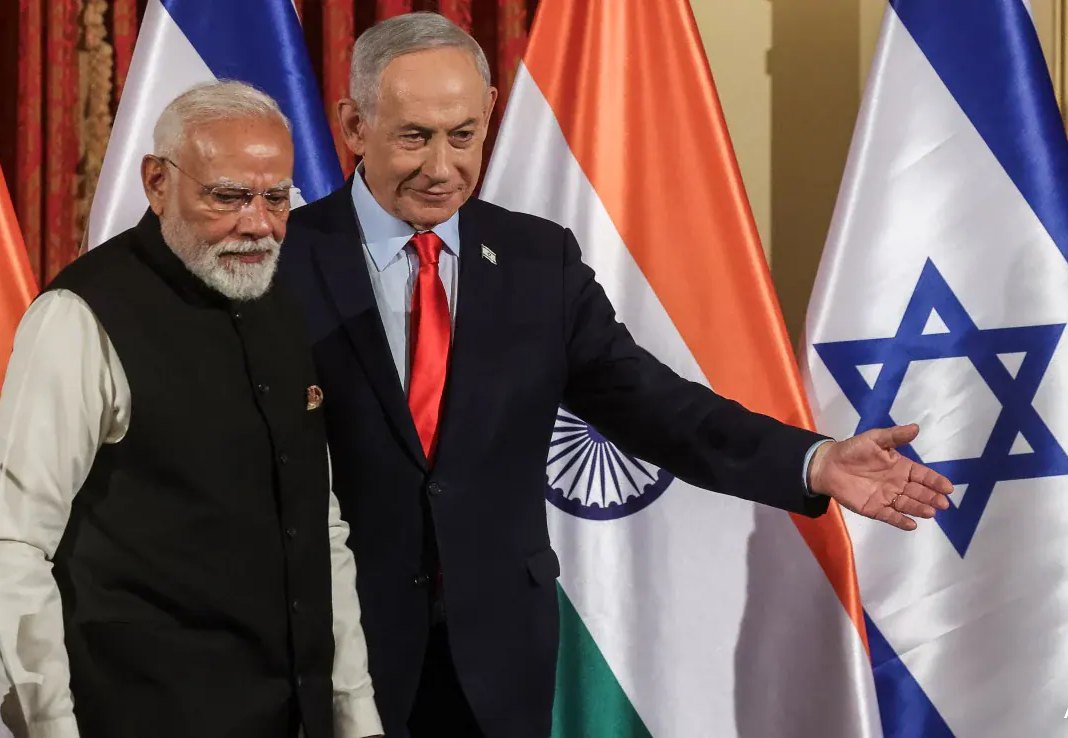
At the heart of India's silence lies its deepening diplomatic and defense alignment with Israel. Pillay has long been a vocal critic of Israeli policies in the occupied Palestinian territories. Her investigative work and public pronouncements have repeatedly drawn fierce denunciations from Jerusalem and its Western allies. In October 2022, as head of a United Nations commission investigating violations in the occupied Palestinian territory and Israel, she authored reports that drew the ire of Israeli officialdom. For a South Block establishment that has cultivated unprecedented warmth in its bilateral ties with Benjamin Netanyahu's government, applauding an individual who has openly challenged Israeli state actions is seen as an unnecessary diplomatic provocation.
This calculated amnesia exposes the transactional nature of contemporary Indian nationalism. The current administration has demonstrated a consistent eagerness to embrace members of the global Indian diaspora who attain elite status, provided their achievements align with the prevailing ideological narrative. Scientists, corporate titans, and cultural icons are routinely feted as symbols of a rising civilisational power. However, when diaspora success intersects with critical human rights discourse or challenges the geopolitical orthodoxies of the ruling party, the state retreats into studied indifference.
The dilemma extends beyond bilateral sensitivities with West Asia. Pillay’s career has been defined by her refusal to grant immunity to powerful states, regardless of their democratic credentials or geopolitical heft. Her legal acumen was forged in the crucible of apartheid-era South Africa, where she defended anti-apartheid activists, exposed police brutality, and helped establish the legal frameworks that later informed the International Criminal Tribunal for Rwanda. A jurist with such credentials is, by definition, an uncomfortable figure for governments that seek to manage domestic dissent while projecting a veneer of democratic compliance abroad.
India's muted response also reflects a broader discomfort within the foreign policy establishment regarding the utility of international human rights bodies. New Delhi has long maintained a posture of strict non-interference, viewing multilateral human rights oversight through the prism of sovereignty and external meddling. While this stance is frequently deployed to shield domestic policies from foreign scrutiny in regions such as Jammu and Kashmir, it creates a rigid institutional reflex. When an international jurist of Indian heritage receives global validation precisely for challenging state impunity, the Indian state finds itself caught between pride in diaspora achievement and institutional hostility toward international accountability.
The contrast with South Africa is instructive. Pretoria has consistently championed Pillay, viewing her trajectory as a vindication of its own constitutional journey and its willingness to challenge powerful nations on the global stage, most notably through its genocide case against Israel at the International Court of Justice. While South Africa leverages its moral standing through figures like Pillay, India calculates its diplomatic ledger in terms of arms procurement, intelligence sharing, and strategic partnerships.
Silence, in diplomacy, is an active instrument. By withholding official congratulations, New Delhi attempts to square an impossible circle. It avoids offending Jerusalem while sidestepping the domestic political complications of ignoring a Nobel laureate with deep historical ties to the Indian subcontinent. Yet this selective embrace reveals a profound insecurity. A state confident in its global standing should be capable of separating an individual's lifetime juridical achievements from immediate tactical alignments.
Ultimately, the Nobel committee honoured Pillay for her steadfast refusal to compromise with power. The Indian government's refusal to acknowledge that honour demonstrates how thoroughly contemporary foreign policy has subordinated principle to expediency. As New Delhi aspires to leadership of the Global South and a permanent seat at the high table of international governance, its studied silence on a daughter of the diaspora receiving the world's highest humanitarian accolade serves as a quiet reminder of the limits of its global vision.