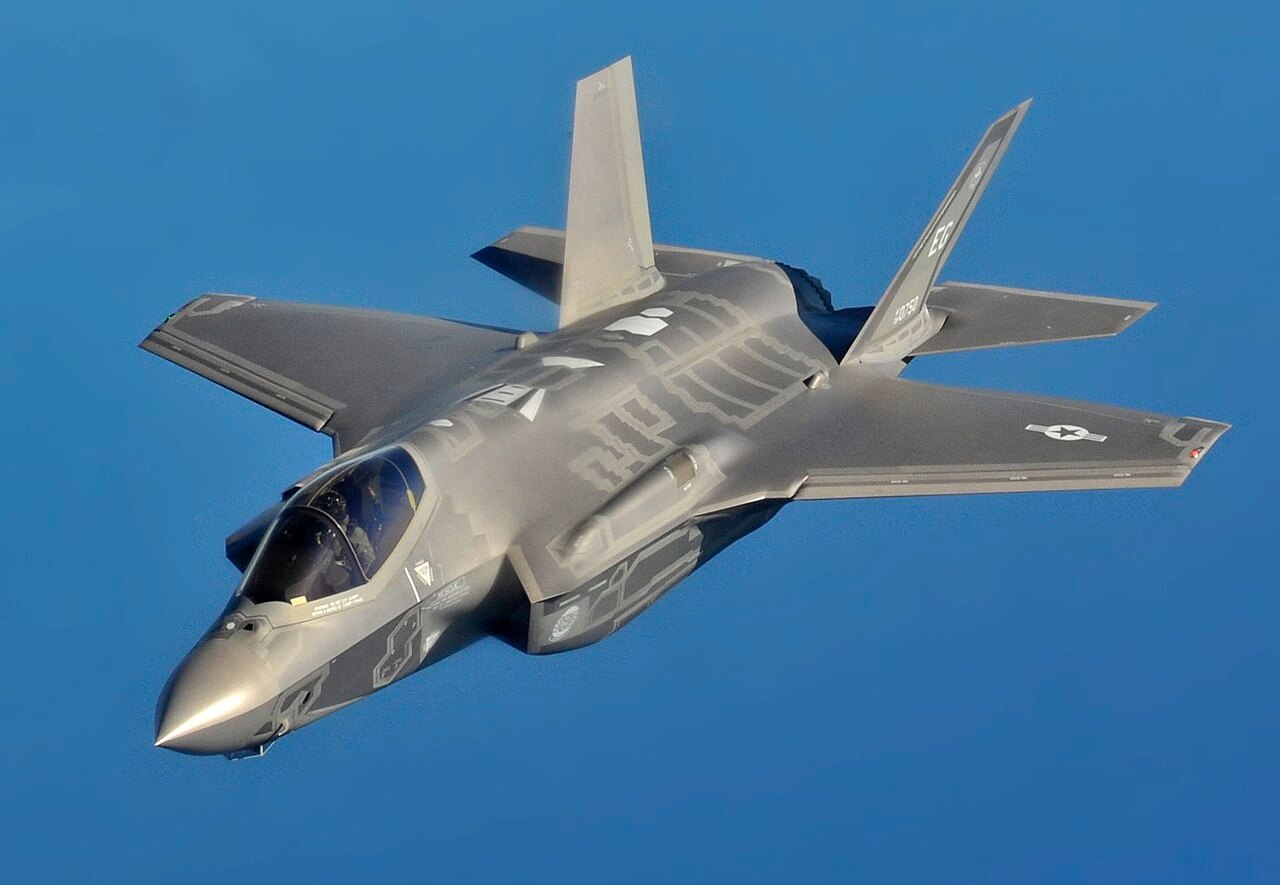
In the arcane calculus of modern military procurement, scale is rarely a mere reflection of logistical housekeeping. It is a geopolitical declaration. When the Pentagon formalizes an arrangement for eight hundred and fifty F-35 stealth fighter jets through a decade-long pact with Lockheed Martin, the transaction transcends ordinary defense budgeting. It represents the largest single procurement of a weapons system in military history. With each aircraft commanding a valuation hovering near one hundred million dollars, the total enterprise eclipses eighty billion dollars, drawing immediate scrutiny from strategists across the globe.
To understand the weight of this decision, one must first examine the asset itself. The F-35 remains the preeminent stealth fighter in contemporary aerospace, engineered to evade radar detection systems that render legacy platforms obsolete. Washington guards this technology with exceptional jealousy. Acquisition is restricted strictly to the most reliable allies, and even then, access is carefully managed to prevent reverse engineering. The United States currently maintains roughly six hundred of these aircraft in its domestic inventory out of a global total of approximately one thousand. By committing to an additional eight hundred and fifty jets primarily for its own air force alongside select partners, the United States is effectively locking in air dominance for the next generation while executing the most aggressive fleet modernization program on record.
Yet this massive capital expenditure cannot be evaluated in a vacuum. It arrives against a backdrop of compounding global friction points that test the limits of American hegemony. In West Asia, protracted engagements involving Iran have strained conventional munitions inventories far beyond initial projections. Washington entered these flashpoints anticipating swift resolutions, only to find itself embroiled in a war of attrition where stockpiles deplete faster than industrial capacities can replenish them. Missiles and advanced combat aircraft cannot be manufactured overnight. They require sustained supply chains, specialized engineering, and years of methodical assembly.
Simultaneously, the war in Ukraine casts a long shadow over European security. While Washington has carefully avoided direct kinetic confrontation with Moscow to prevent a catastrophic escalation between nuclear-armed adversaries, the implications for the North Atlantic Treaty Organization are profound. European member states, particularly along the eastern flank such as Poland, Finland, and Sweden, view a potential decisive Russian victory in Ukraine as an existential prelude to broader regional aggression. Under mutual defense obligations, any incursions into allied territory would draw the United States directly into the fray, ensuring that contingency planning remains anchored in high-intensity preparation.
In the Indo-Pacific, the structural rivalry with China continues to define the twenty-first-century security architecture. Beijing’s ambitions regarding Taiwan, coupled with simmering maritime disputes between Tokyo and Beijing, keep the region on a permanent footing of strategic anxiety. Even as domestic political shifts in Washington occasionally recalibrate foreign commitments, the foundational defense establishment recognizes that maintaining a qualitative technological edge in the Pacific is non-negotiable.
Domestically, this massive investment unfolds within a complex economic climate. The American economy labors under significant structural pressures, characterized by elevated public debt relative to gross domestic product and stubborn inflationary baselines. Bond markets reflect a degree of investor jitteriness, and fiscal deficits remain a persistent source of legislative friction. Pouring tens of billions of dollars into high-end fighter production while managing these domestic financial constraints suggests a calculated gamble by policymakers.
Skeptics might question whether a third world war is deemed imminent in the corridors of the Pentagon. A more sober analysis, however, points toward the principle of strategic deterrence. Military hardware is frequently manufactured not with the expectation of immediate deployment, but to ensure that adversaries conclude the cost of provocation is prohibitively high. Just as the visible presence of force deters aggression before a shot is fired, an unprecedented buildup of stealth aviation serves as a powerful signal of enduring capability.
By rearming on an unprecedented scale, Washington is attempting a delicate balancing act. It is replenishing depleted wartime inventories, modernizing aging Cold War-era airframes, and projecting unambiguous strength across multiple theaters simultaneously. Whether this massive gamble stabilizes a fracturing global order or accelerates a precarious arms race remains to be seen, but the message encoded in the procurement ledger is unmistakable. The United States is preparing for a future where technological supremacy is the only currency that guarantees survival.