Across the United States, voters are preparing to cast ballots in an electoral ritual that outsiders frequently misunderstand. In parliamentary democracies, midterms or snap elections usually signal political collapse, where a government loses its majority and falls before completing its constitutional tenure. America operates under an entirely different constitutional framework. Midterm elections in Washington do not happen because a government has fallen. They arrive punctually every two years, exactly midway through a presidential term, serving as a referendum on the incumbent administration rather than a mechanism to replace it.
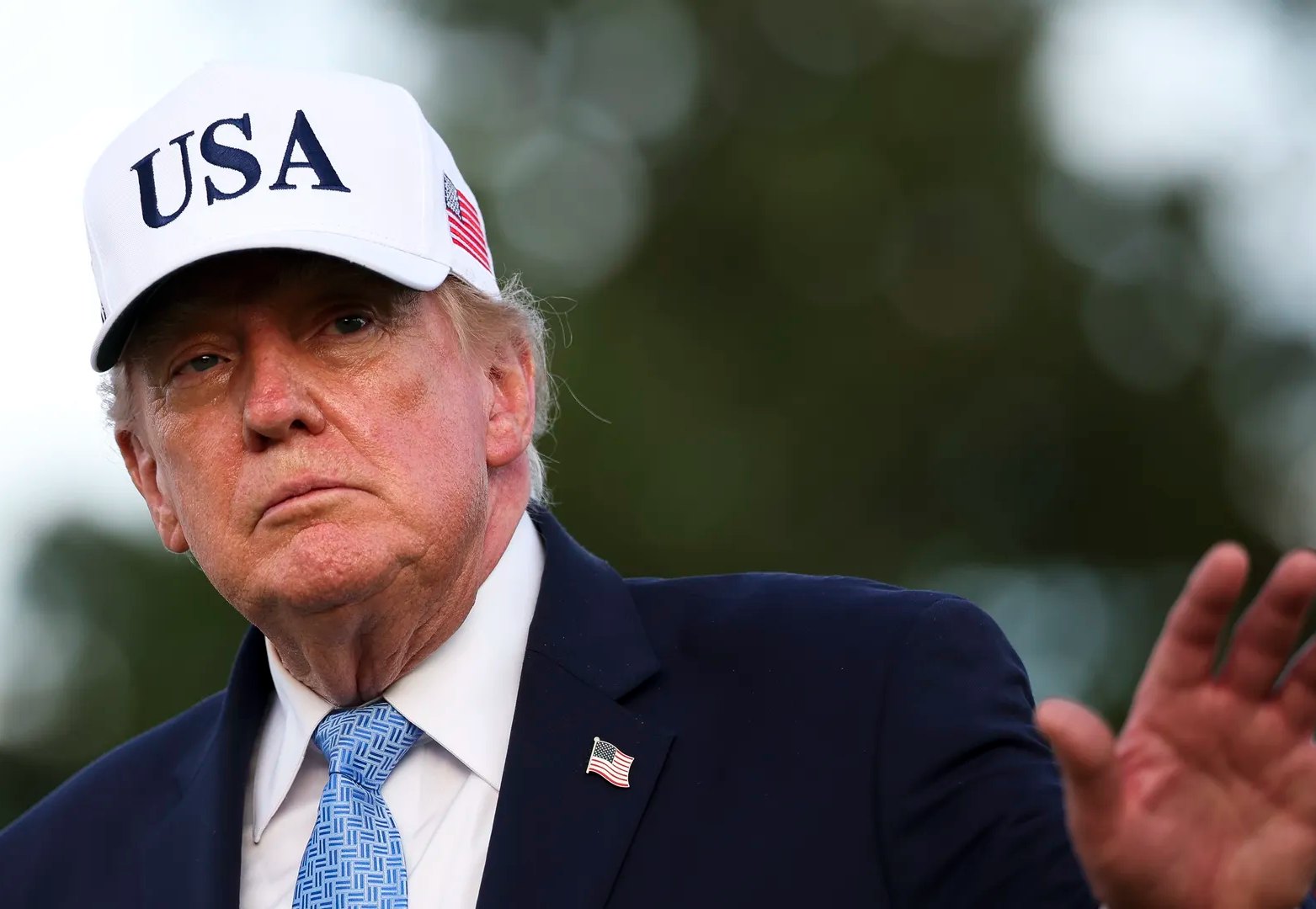
The structural architecture of American governance diverges sharply from the Westminster model familiar to India or Britain. In a parliamentary system, the prime minister commands a majority in the lower house. If that majority fractures, the government collapses. The United States maintains a presidential system with a bicameral legislature known as Congress, split between the Senate and the House of Representatives. Members of the House serve two-year terms, meaning the entire chamber faces election every twenty-four months. Senators serve six-year terms, with only one-third of the upper house contesting elections in any given cycle. Crucially, the American president does not depend on legislative majority to survive. Even if Donald Trump's party loses control of the House or the Senate, the president remains in office until his term expires.
Yet losing Congress strips an American president of legislative autonomy. Without majorities in both chambers, a president faces a crippled agenda. Spending bills stall, legislative priorities evaporate, and congressional committees launch aggressive investigations that can paralyze an administration. For Donald Trump, the current political landscape presents high stakes. The Republican Party currently holds majorities in both the Senate and the House of Representatives. If these upcoming midterms strip the party of even one chamber, the remainder of his presidential term will transform from a period of unhindered policymaking into an exercise in defensive trench warfare.
Historical precedent and modern polling suggest that the Republican Party faces severe headwinds. American history demonstrates a punishing cyclical pattern for the party in power. Over the past twenty-five years, almost without exception, the midterm electorate has penalized the incumbent president's party. Voters appear constitutionally inclined to check executive overreach by empowering the opposition. The lone major exception in recent decades occurred in the immediate aftermath of the September 11 attacks, when national security anxiety temporarily suspended normal political gravity.
Contemporary data indicators reinforce these historical warnings. The Cook Political Report, an analytical bellwether for American elections, projects meaningful Democratic gains across multiple congressional districts. Prominent nonpartisan polling outfits, including the Pew Research Center, the Washington Post-ABC poll, and recent Reuters data, place Donald Trump's public approval ratings hovering between thirty and thirty-three percent. Such depressed figures point toward a challenging electoral map for Republican candidates.
Sensing the danger, the administration has attempted to nationalize the contest, turning local congressional races into a personal vote of confidence on the president. Mr. Trump has campaigned aggressively, dangling populist economic promises, including proposed financial payouts to every American citizen, in a bid to rescue vulnerable incumbents.
Certain regional contests have emerged as critical barometers of national sentiment. Texas, a traditional Republican stronghold historically as safe for the party as California or New York is for Democrats, is witnessing an unexpected challenge for a Senate seat. Even within the conservative elite, fractures have appeared, with members of the prominent Bush family openly breaking ranks to back democratic candidate.
Simultaneously, attention has turned to Michigan, where progressive Democratic candidates are testing the ideological boundaries of their own party. Contenders running on platforms critical of current foreign policies and aligned with progressive factions are drawing intense national scrutiny. The emergence of progressive candidates in major and congressional races suggests a deeper undercurrent within the American electorate, where younger voters are pulling the opposition party toward a more assertive left-wing posture.
As the nation approaches election day, the political architecture hangs in the balance. Three distinct scenarios face the capital. The first is a rare status quo where Republicans retain control of both chambers, though current polling makes this the least probable outcome. The second scenario involves a divided legislature, with Democrats capturing the House of Representatives while Republicans cling to a narrow Senate majority, thereby trapping the executive branch in legislative gridlock. The third and most perilous scenario for the White House involves Democrats sweeping both chambers of Congress.
Whichever outcome materializes, these midterms will transcend routine legislative math. They will test the resilience of American institutions, define the trajectory of the remainder of the presidential term, and signal whether the electorate is prepared to hand the opposition the keys to congressional oversight.