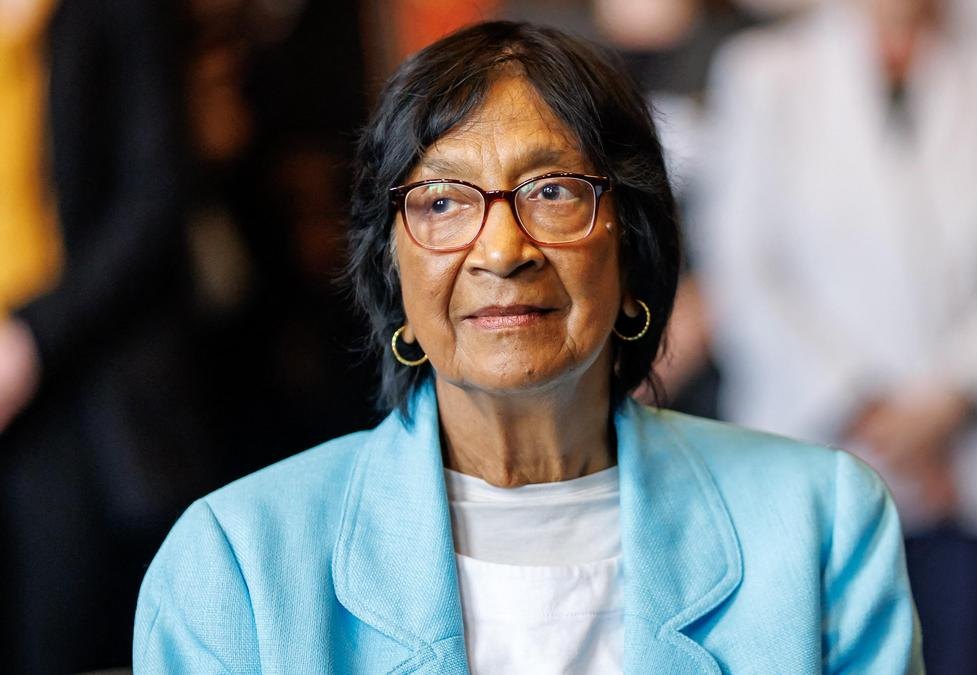
Every autumn, the Norwegian Nobel Committee manages to trigger a peculiar kind of geopolitical theater. Speculation runs wild, capitals hold their collective breath, and ambitious politicians position themselves for global validation. This year, the announcement of the Nobel Peace Prize delivered a sharp rebuke to those expectations. By conferring the honor on Navanethem Pillay, the committee bypassed high-profile political figures like Donald Trump, opting instead for a lifetime dedicated to international jurisprudence, anti-apartheid struggle, and the unyielding defense of human rights.
The decision serves as a powerful statement about the nature of peace in the twenty-first century. For years, political hopefuls have openly campaigned for the prize, viewing it as a tangible metric of their statecraft. Yet the Norwegian panel repeatedly signals that true peace is not merely the absence of conflict negotiated through transactional diplomacy. It is built on accountability, justice, and the protection of the vulnerable against systemic oppression. In choosing Navi Pillay, the committee honored an architect of international law rather than a headline-grabbing statesman.
Pillay's biography reads like a masterclass in moral courage. Born in South Africa to a Tamil family, she grew up under the brutal apartheid regime, experiencing firsthand the crushing weight of institutionalized racism. Refusing to accept the limitations imposed by her environment, she pursued law, becoming the first non-white woman to open a practice in her home province of Natal. In the courtroom, she defended anti-apartheid activists, often facing intense hostility from the state apparatus. Her early career was forged in fire, teaching her that legal frameworks must be weaponized to protect human dignity.
Her ascent to the global stage was a natural continuation of this domestic struggle. As a judge on the International Criminal Tribunal for Rwanda, Pillay played a pivotal role in establishing landmark jurisprudence that recognized rape as a tool of genocide. This was not an abstract legal victory. It fundamentally shifted how international tribunals prosecute sexual violence in warfare, offering a measure of justice to survivors who had long been ignored by traditional legal systems. Later, as the United Nations High Commissioner for Human Rights, she maintained a reputation for relentless impartiality, frequently alienating powerful member states that preferred to keep human rights abuses hidden behind the diplomatic veil.
The contrast between Pillay's quiet, methodical dedication and the loud ambitions of contemporary political leaders could not be starker. Leaders like Donald Trump have often expressed bewilderment at being overlooked by the Oslo committee, measuring their worth in ceasefires brokered and media cycles dominated. Yet the Nobel Peace Prize has historically favored those who stitch the social fabric back together rather than those who threaten to tear it apart. When international law is under assault across multiple continents, honoring a veteran jurist is a reminder that rules matter more than rulers.
For the international community, this year's prize is both a celebration and a warning. It celebrates the tireless foot soldiers of justice who operate far from the television cameras and campaign rallies. At the same time, it warns that sustainable peace cannot be achieved by fiat or political convenience. It requires the slow, grinding work of courts, investigators, and human rights defenders who refuse to look away from atrocities. Navi Pillay never sought the spotlight, yet her recognition places the fundamental struggle for global justice front and center where it belongs.