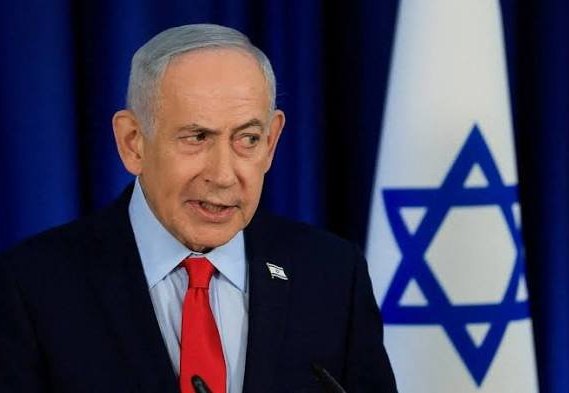
The results emerging from Israel present a striking political stalemate. Benjamin Netanyahu and his right-wing coalition have fallen short of the magic threshold required to govern alone, securing roughly 53 seats in the 120-member Knesset. Across the aisle, the opposition alliance led by former army chief Gadi Eisenkot has captured 48 seats. With neither camp able to claim a straightforward victory, the country finds itself locked in a hung parliament. This outcome reflects not merely a routine electoral deadlock, but a profound structural shift driven by voter turnout and the emergence of Arab political parties as pivotal players.
To understand the mechanics of this paralysis, one must look closely at Israel's electoral framework. Unlike nations where representatives are elected from localized geographic districts, Israel operates entirely on a system of proportional representation. The entire country functions as a single constituency. Citizens do not vote for individual local candidates; they cast their ballots for political parties. Seats are then distributed proportionally based on the aggregate vote share, provided a party clears the mandatory electoral threshold of 3.25 percent. Because final seat allocations depend on counting every single ballot down to the last fraction, definitive figures materialize slowly.
At the heart of the current drama is the unprecedented surge in participation among Arab voters. Arab citizens of Israel, who make up roughly 20 percent of the population, have historically experienced lower turnout rates compared to the Jewish majority. Fragmentation among Arab factions and the 3.25 percent threshold have consistently suppressed their representation relative to their actual demographic weight. Yet, in this election, Arab turnout climbed significantly, pushing two major factions—the Arab Joint List and the Ra'am party—past the threshold to secure an estimated 19 seats. This high participation rate serves as a direct rebuke of the prevailing political status quo.
The erosion of Netanyahu's parliamentary majority is deeply tied to the mounting international and domestic fallout from prolonged conflict. Under his leadership, Israel has faced profound diplomatic isolation, compounded by international legal scrutiny regarding military campaigns in Gaza and heightened friction across regional borders. The immense human toll, widespread displacement, and persistent instability have shaken public confidence. By rejecting the incumbent coalition, a significant portion of the electorate has signaled fatigue with perpetual crisis.
Yet the presence of 19 seats held by Arab parties introduces a profound dilemma for the mainstream opposition. Mathematically, an anti-Netanyahu bloc combined with the Arab parties could easily clear the 61-seat threshold required to form a government. Politically, however, mainstream Zionist parties remain deeply reluctant to formally ally with Arab factions, fearing a severe backlash from Jewish voters. This hesitation mirrors parallel dynamics in other multi-party democracies, where ideological polarization makes cooperation across ethnic or sectarian lines politically hazardous.
Consequently, the path forward remains obscured by multiple difficult scenarios. Netanyahu insists he can retain power by assembling a right-wing alignment or leveraging fractures within the opposition, despite lacking a clear majority. Alternatively, the opposition could attempt to form a minority government relying on outside support, or the nation could face the unprecedented prospect of returning to the polls for yet another election cycle. Whichever coalition ultimately takes shape, the political landscape has fundamentally shifted, with Arab parties firmly embedded at the center of national decision-making.