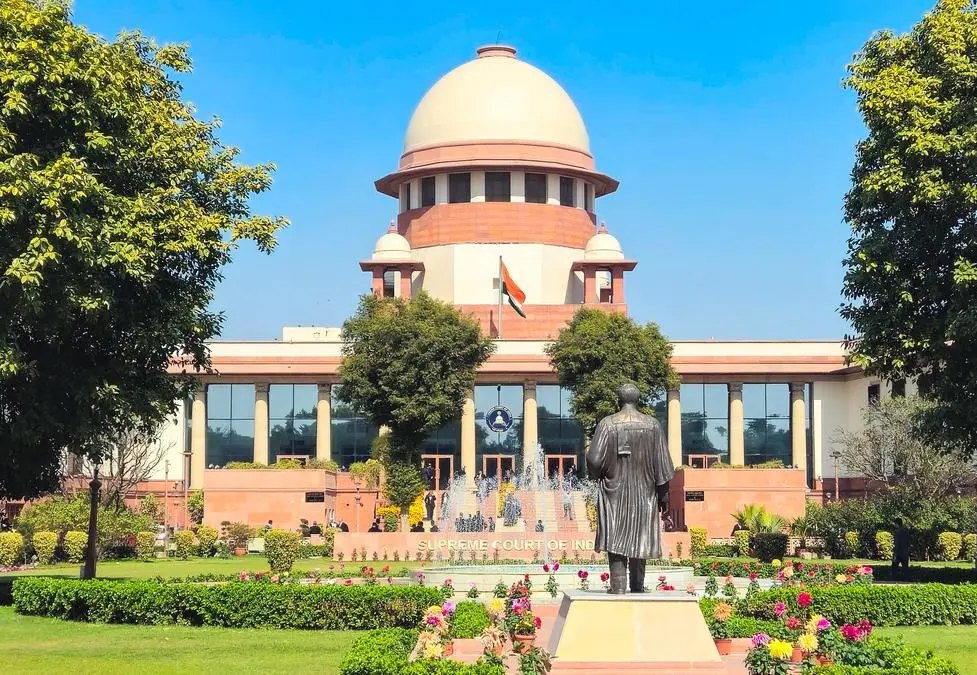
India’s electoral machinery, long regarded as a pillar of procedural rectitude, faces unprecedented institutional turbulence. During recent proceedings before the Supreme Court, a bench led by Justice Surya Kant directed sharp inquiries into the administrative practices of the Election Commission of India. At the core of the matter are allegations that Chief Election Commissioner Gyanesh Kumar acted unilaterally, circumventing the collegiate decision-making mandated by statute and altering voter registration procedures without lawful sanction. While judicial intervention remains measured, the courtroom discourse signals a notable recalibration of scrutiny over the country's election arbiter.
The friction originates in the governance structure governing the commission itself. Earlier judicial precedent mandated an appointment panel comprising the Chief Justice of India, the Prime Minister, and the Leader of the Opposition until Parliament established a legislative mechanism. Subsequent legislation passed in 2023, the Chief Election Commissioner and Other Election Commissioners (Appointment, Conditions of Service and Term of Office) Act, altered this structure by replacing the Chief Justice with a union cabinet minister, effectively ensuring an executive majority in the selection process.
A central point of contention raised during the hearings involves Section 16 of the 2023 Act, which grants broad immunity to both current and former election commissioners against civil and criminal proceedings for actions taken in office. The bench highlighted the unusual breadth of this statutory protection. In India’s constitutional architecture, lifelong legal immunity of such scope is generally restricted to the President. Even judges of higher courts operate under the procedural guidelines of the Judges (Inquiry) Act rather than blanket immunity. The court remarked that it will examine the validity of conferring such protection upon administrative officers, questioning whether public functionaries can remain entirely insulated from judicial accountability after demitting office.
Administrative disputes within Nirvachan Sadan have further intensified external scrutiny. Tensions surfaced around revisions introduced to Form 6, the statutory instrument used for enrolling new electors under the Registration of Electors Rules, 1960. The updated requirements reportedly sought parental and grandparental historical verification details linked to the 2002 Special Intensive Revision. While the poll body later limited this requirement to states where that revision exercise had been executed, substantive concerns emerged over the regulatory authority underpinning the change. When it was argued that judicial assent had been secured for these alterations, the Supreme Court stated unequivocally that it had granted no such approval.
Statutory norms require that decisions concerning electoral rolls and administrative rules operate through legal channels rather than informal executive directives. Reports indicate that internal objections were raised within the three-member commission. Election Commissioners S. S. Sandhu and Vivek Joshi reportedly registered dissent on roughly 14 occasions, questioning whether departmental functionaries possessed the statutory remit to overhaul voter enrollment protocols without collective commission deliberation or central government rulemaking. The dissenting commissioners reportedly conveyed written correspondence to the Cabinet Secretary outlining these operational irregularities.
The law establishes the Election Commission as a multi-member collegiate body wherein the Chief Election Commissioner acts as first among equals. Decisions must be arrived at either unanimously or through a formal majority vote. Contrary to this collegiate framework, petitions before the apex court submit that major policy directives were issued without formal inclusion in the commission's agenda or collective ratification, rendering the resulting instructions vulnerable to legal challenge. The bench clarified the governing legal standard: decisions taken outside statutory provisions or without collegiate consensus will face invalidation, and consequences under the law will follow.
Despite these pointed remarks, the Supreme Court declined immediate interim prayers seeking the suspension or criminal registration of the Chief Election Commissioner. The bench maintained a clear boundary between media reports, such as investigative narratives published by The Indian Express, and formal evidential records. The judges emphasized that judicial findings cannot rest solely upon public reporting or unverified assertions, explaining that the court cannot presume every directive issued by the commission to be unilateral without examining the complete record and hearing all concerned parties.
The judicial concerns unfold against broader anxieties regarding large-scale voter list revisions under the Special Intensive Revision initiative. The sheer volume of deletions across key regions, including reported figures of 25 percent in West Bengal and 30 percent in Delhi, has drawn intense debate among legal observers. References were made to recent remarks delivered by Justice Ujjal Bhuyan at NALSAR University of Law, where he noted that no judicial forum can condone arbitrary mass disenfranchisement without strict justification. Public concerns have also been echoed across political lines, with alliance partners and opposition leaders raising reservations regarding the conduct of the revision process.
The hearings mark a critical juncture for institutional oversight in New Delhi. While the Supreme Court moves deliberately according to the rules of evidence, its probing remarks underscore the principle that constitutional functionaries cannot operate above statutory limits, collegiate consensus, or judicial review.