The Strategic Forgiveness of Narendra Modi
Politics is often a contest of narratives rather than facts, and few are as adept at this game as India’s Prime Minister. His recent video message, in which he professes to forgive a young girl for using abusive language against him, is a masterclass in the politics of victimhood. By positioning himself as a magnanimous elder statesman dealing with a misguided youth, he is attempting to regain ground lost in the digital trenches of social media.
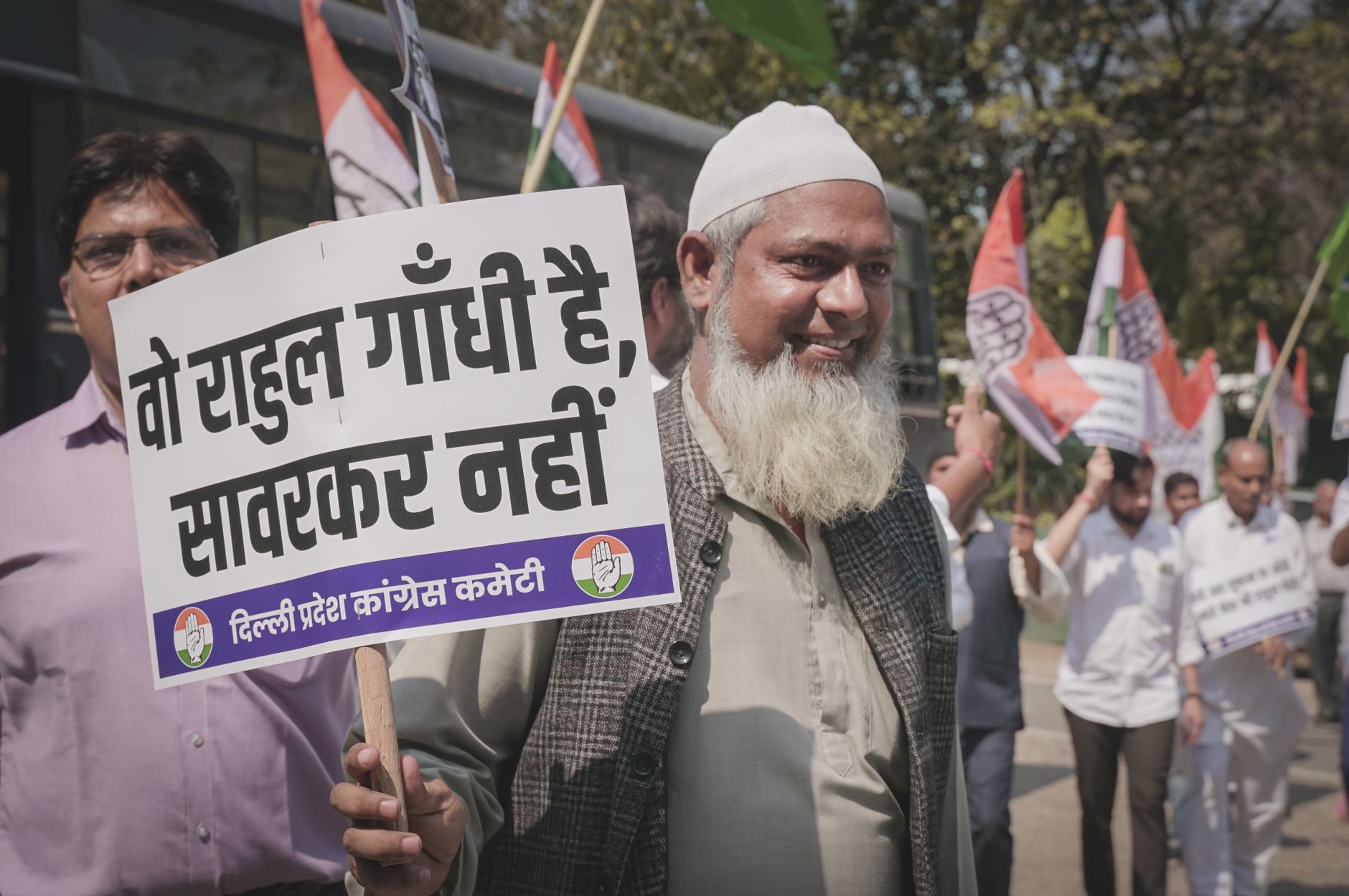
The backdrop to this calculated display of empathy is a series of setbacks for the ruling Bharatiya Janata Party. The government found itself on the defensive following widespread protests over the NEET examination and the subsequent removal of a cabinet minister. For a leadership that prides itself on controlling the national conversation, the sight of thousands of young people organized via social media challenging the administration was a significant blow. The Prime Minister, who has historically been a beneficiary of digital mobilization, found himself on the receiving end of a narrative he could not easily dismiss.
The shift in strategy is evident in the medium itself. Eschewing formal addresses, the Prime Minister has turned to vertical videos and Instagram reels, speaking directly to a demographic that feels increasingly alienated. His message is clear: the youth are not the enemy, but rather victims of misinformation or a lack of guidance. By forgiving the young protester, he seeks to neutralize the anger directed at his government and recast the confrontation as a generational misunderstanding rather than a policy failure.
However, this performance of benevolence raises uncomfortable questions about the broader political culture in the country. The culture of online abuse and character assassination was not born in a vacuum. Political parties across the spectrum have cultivated armies of trolls to silence critics, independent journalists, and activists. When the Prime Minister speaks of the shock he felt at the language used against him, one wonders if he shares the same concern for the countless citizens who are routinely hounded by his own supporters. Magnanimity is a selective virtue if it only applies when the leader is the target.
Furthermore, the focus on a single incident of verbal abuse serves as a convenient distraction from more tangible grievances. While the Prime Minister offers forgiveness for harsh words, there has been a notable lack of contrition for the use of pellet guns against student protesters or the administrative failures that led to the examination crisis. Apologies are offered for legislative retreats, such as the withdrawal of the farm laws, but rarely for the human cost of government actions.
By framing the issue as one of youth deviance, the Prime Minister effectively shifts the burden of morality onto the protesters. The narrative suggests that if the youth would only return to traditional values of respect, the friction would disappear. This ignores the reality that much of the frustration stems from legitimate concerns about education, employment, and the heavy handedness of the state.
The Prime Minister’s latest digital outreach is less about social reform and more about reclaiming a lost constituency. In a country where thirty crore young voters hold the key to political survival, the perception of being anti youth is a liability the BJP cannot afford. The video of forgiveness is a strategic maneuver to puncture the opposition’s momentum and present a softer, more paternal image of the Prime Minister.
In the end, politics is rarely about the words spoken but about the power dynamics they reinforce. By choosing to forgive, the Prime Minister asserts his moral authority while avoiding a direct engagement with the systemic issues that fueled the protests. It is a brilliant piece of crisis communication, but whether it will be enough to bridge the growing gap between the government and the next generation remains to be seen. True reconciliation requires more than a vertical video; it requires an acknowledgement that the language of protest is often born from the silence of the state.