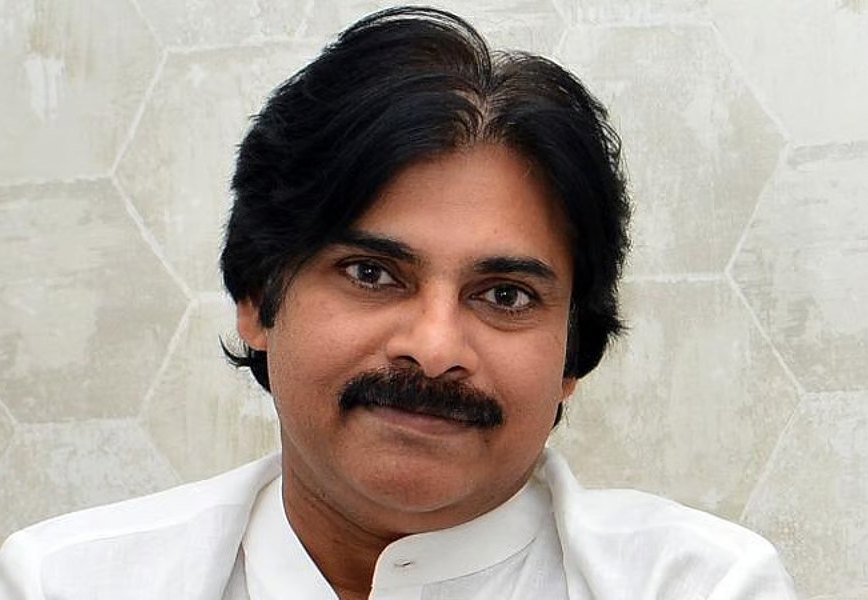
The public announcement regarding the separation of Pawan Kalyan and Anna Lezhneva has brought discussions about personal boundaries back into focus. The couple made a mutual statement indicating that they are parting ways amicably, remaining friends, and continuing to share responsibilities for their children, while explicitly requesting privacy. When a public figure faces complex moments in their personal life, subjecting them to intense scrutiny and continuous intrusion goes against basic human decency and ethical standards. To understand how society, political opponents, and media should approach such developments, it is necessary to examine the distinct dimensions that make up a public personality.
The Three Dimensions of a Public Figure
A prominent figure like Pawan Kalyan cannot be viewed through a single lens because their existence spans multiple roles. There are three clear dimensions involved: the political leader, the film celebrity, and the private individual. Each dimension carries entirely different expectations regarding public engagement and scrutiny.
Public Interest Versus Public Curiosity
A common argument often raised in media discussions is that public figures live in the public eye, meaning their personal lives naturally become a matter of general interest. However, a sharp line exists between genuine public interest and mere public curiosity.
Public interest is triggered when a public figure’s behavior in their private capacity involves criminal conduct, or when official authority, public office, or state resources are misused to exploit individuals. In the case of the recent separation announcement, there is no private complaint, no allegation of criminal conduct, and no indication that public office or state power was misused.
When official power or public resources are not implicated, private actions remain strictly private. Merely experiencing curiosity does not transform a personal matter into a public interest issue. Holding a public office or celebrity status does not strip away the fundamental right to privacy guaranteed to every citizen.
Examining Marital Separation and Political Conduct
Political opponents and commentators have frequently brought up past marriages and personal life choices during election cycles and political discourse. A central question is whether a failed marriage in a person's private life reflects poorly on their political conduct or public capabilities.
Marital relationships involve complex interpersonal dynamics between two individuals, and the reasons behind a separation are rarely part of the public domain. Observers lack complete information about private circumstances. Consequently, drawing conclusions, making moral judgments, or attempting to weaponize personal setbacks to settle political scores violates fairness. A person facing difficulties in a personal relationship cannot automatically be judged as a failure in public governance or administrative duties, as these two realms remain separate.
Furthermore, political discourse should not allow personal controversies to overshadow substantive scrutiny of governance. In a democracy, citizens benefit when public discussions focus on how leaders manage government departments, fulfill electoral commitments, and execute public policies. Diverting attention toward private family matters serves no constructive public purpose and degrades the quality of democratic debate.
The Role of Responsible Journalism
Media organizations often face the dilemma of balancing audience curiosity with journalistic ethics. Responsible journalism recognizes that public curiosity is not synonymous with the public's right to know. While audiences may feel curious about the lives of prominent personalities, private emotional struggles and personal pain should not be treated as entertainment. Fostering a culture where personal hardships become a source of public spectacle undermines ethical standards.
Public figures inevitably exert a strong influence through their public actions and stated values, which allows society to evaluate their public contributions. However, imitating a leader requires critical examination rather than blind emulation of every personal choice. Society benefits when citizens evaluate public figures based on transparency, policy execution, and democratic accountability, while maintaining firm respect for the boundaries of private life.