The political landscape inside the Republican Party is experiencing severe friction following a wave of crushing electoral defeats. At the center of this turmoil is the fallout from the Iran war, surging inflation, and sky-high fuel prices. Vice President JD Vance has openly distanced himself from the military conflict, creating a complex political balancing act as he positions himself for the 2028 presidential race while managing the legacy of Donald Trump.
The Electoral Shockwave
The recent elections delivered a stinging blow to the Republican Party, leaving leadership struggling to digest the scale of the losses. Traditional party strongholds flipped in dramatic fashion. In Kansas, a Democrat won for the first time since 1932, shattering a 94-year Republican streak. In Texas, where Republicans had dominated for 38 years since 1988, Democratic candidate James Talarico secured a victory. Republican candidates who previously enjoyed comfortable double-digit margins of 11 to 15 percent saw those leads vanish entirely.
Political analysts attribute this voter backlash directly to economic hardship and foreign policy decisions. Soaring grocery prices, escalating fuel costs, heavy tariffs, and the Iran war created a wave of public anger. With Donald Trump ineligible to run for another term in 2028 due to constitutional limits restricting a president to two terms, aspiring successors are now forced to navigate the wreckage of these policies.
JD Vance and the 2028 Succession Strategy
JD Vance has emerged as a leading contender for the 2028 Republican nomination, but his path is fraught with political contradiction. As Vice President, Vance is tied to the administration's record, yet he has consistently opposed the Iran war from the beginning.
While Trump maintains that the war was necessary and expresses no regret despite the electoral outcome, Vance has taken a sharply different public stance. Vance recently outlined a four-point agenda for the party:
This strategy allows Vance to walk a tightrope. By opposing the war, he appeals to anti-war voters and distances himself from the economic fallout. At the same time, he avoids a direct, total confrontation with Trump, preserving his standing with the highly conservative white nationalist lobby that remains vital to Republican survival.
The Scapegoat Dilemma: Defense Secretary Pete Hegseth
With trump impeachment by Democrats unlikely due to the current Senate math where Democrats hold 54 seats to the Republican 46 short of the two-thirds majority required under the US Constitution, Republicans and Democrats alike are looking for institutional outlets to address the public anger.
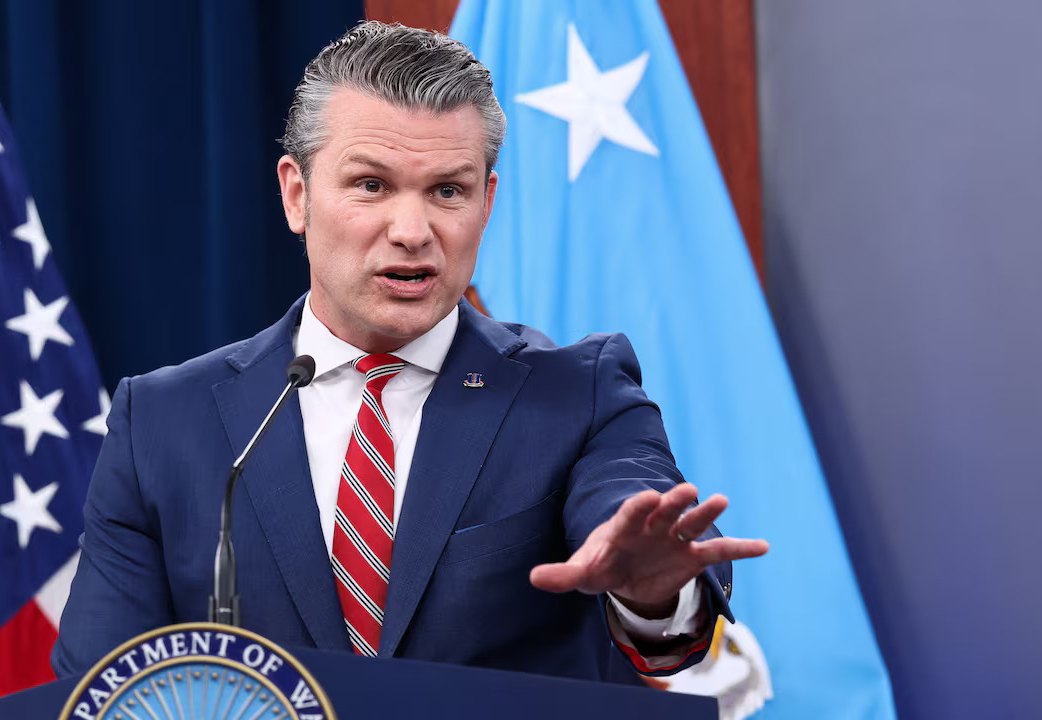
Attention has turned heavily toward Defense Secretary Pete Hegseth. Unlike traditional party heavyweights, Hegseth entered the administration with a background as a television anchor. Within Republican ranks and among incoming congressional leadership, discussions are underway regarding potential accountability measures. Democrats have indicated intentions to target Hegseth for congressional inquiries or removal.
This dynamic offers a convenient political escape hatch for multiple factions. For Donald Trump, sacrificing a defense chief who pushed for military engagement helps insulate the White House from direct blame. For Republican lawmakers, removing a high-profile official allows the party to distance itself from the war without alienating the core nationalist base. For Democrats, securing the departure of a major cabinet official provides a tangible political victory when full presidential impeachment remains out of reach.
Broader Political Repercussions
The internal fracturing extends beyond Washington. Outgoing Florida Governor Ron DeSantis has also openly criticized both the war and administration policies, signaling a broader split within the party. While Trump loyalists demand strict alignment, figures looking past the current administration are increasingly speaking out.
As the Republican Party grapples with historic defeats in places like Kansas and Texas, the path forward remains deeply uncertain. Whether JD Vance can successfully bridge the gap between anti-war voters and the core Trump base, and whether the administration will ultimately sacrifice Defense Secretary Pete Hegseth to appease public anger, will shape the future of American conservative politics leading into the 2028 election cycle.