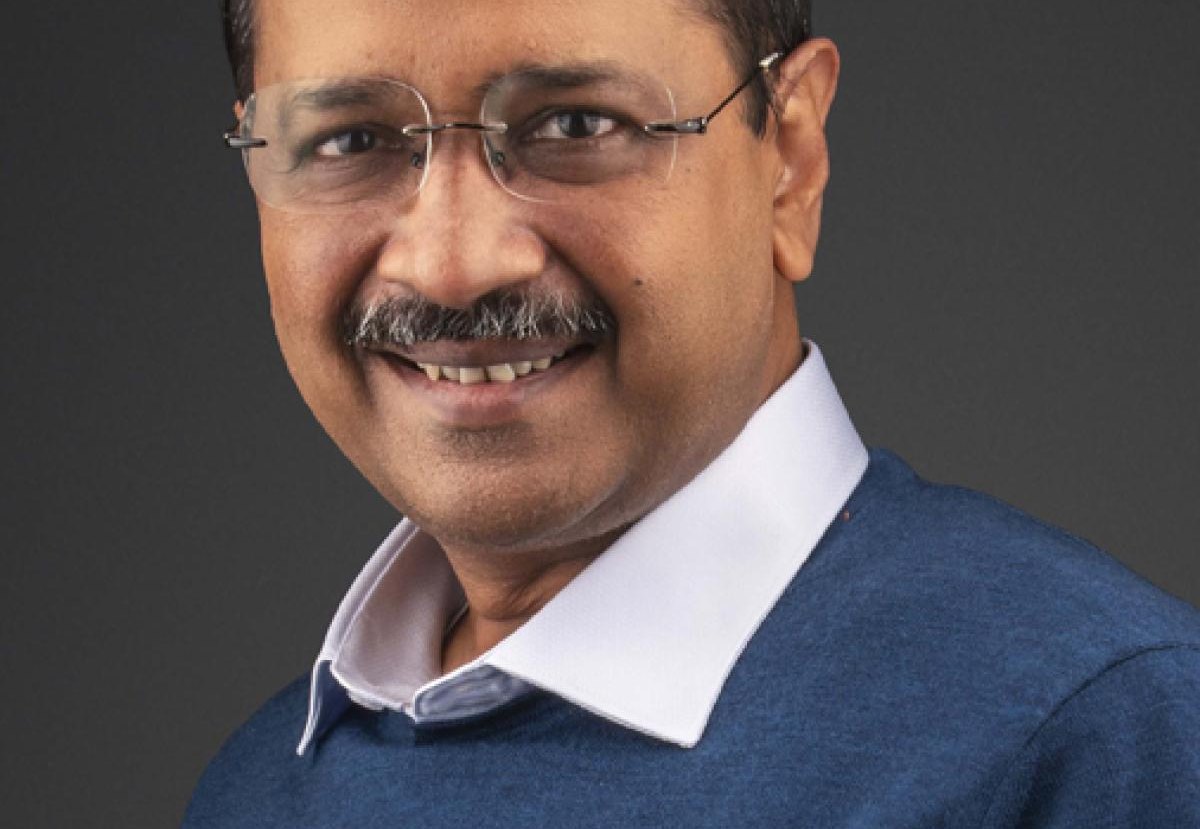
The Aam Aadmi Party finds itself at a critical juncture as political dynamics shift across the country, particularly with elections approaching in Punjab in six months. Once viewed as a formidable alternative to the Bharatiya Janata Party, having achieved significant electoral victories in Delhi and Punjab, expanded its footprint to Gujarat and Goa, and contested fiercely in Varanasi against Narendra Modi, the party is now struggling to retain its national political footprint. Questions are increasingly raised regarding where Arvind Kejriwal stands in national opposition politics, especially as major anti government movements and opposition unity efforts unfold without his active participation.
A primary factor contributing to this stagnation is a persistent double dilemma within the party leadership. This hesitation became evident during major public mobilizations such as the movement centered around paper leaks and educational issues. While the Delhi government under Kejriwal built its reputation largely on governance models like government schools and mohalla clinics, the party failed to project its administrative achievements onto a national stage during widespread discussions on education. Furthermore, when grassroots movements and student youth organizations spearheaded protests regarding paper leaks, the leadership hesitated to fully associate itself with the campaign.
This reluctance stemmed from past associations and political vulnerability, as key figures from civil society movements had previously worked with the party and critics frequently label the organization as a proxy for opposing forces. Unlike other political leaders who embraced street activism, Kejriwal stepped back, allowing other opposition figures to occupy the primary space of resistance. In politics, hesitation driven by concern over public perception or potential criticism often impedes success, and the leadership failed to capitalize on an issue where its historical credibility was strongest.
A similar dilemma emerged regarding participation in broader opposition platforms, most notably during major rallies at Ramlila Maidan. Kejriwal shares a historical connection to Ramlila Maidan, having risen to prominence through the anti-corruption movement that eventually contributed to the fall of the previous administration. However, when the entire opposition coalition united for recent national demonstrations, Kejriwal was conspicuously absent. The underlying hesitation appears to be rooted in political competition, given that the Congress party leads these national fronts and poses a direct challenge to the party's governance in Punjab.
This reluctance overlooks the pragmatic nature of national opposition alliances, where regional parties often compete locally while cooperating nationally. Other regional leaders, such as Mamata Banerjee and Akhilesh Yadav, navigate similar state-level rivalries with Congress while maintaining a unified stance against the national ruling party. By remaining absent from these major demonstrations, the party missed critical opportunities to project national opposition momentum, further diminishing its visibility on the broader political landscape.
Beyond national optics, the party faces severe internal turmoil and plummeting morale within its state machinery. In Punjab, the administration led by Bhagwant Mann is confronting mounting anti-incumbency sentiment and widespread criticism that the state government is being controlled via remote control from Delhi. Key campaign promises, such as financial assistance of 1500 rupees for women, faced delays before implementation, eroding public trust. Additionally, traditional religious and panthic voters who shifted their allegiance to the party in the previous election are showing signs of drifting back toward regional alternatives, particularly amidst tensions between state leadership and religious bodies.
The organizational structure is also suffering from high-profile departures. Prominent spokespersons and senior leaders, including Priyanka Kakkar, have exited the party, while multiple legislators have resigned to join the Bharatiya Janata Party or Congress. Figures such as Raghav Chadha and Sandeep Pathak, who orchestrated the 2022 electoral victory in Punjab, are no longer driving operations in the same capacity. With reports suggesting potential political realignments between the Bharatiya Janata Party and regional factions in Punjab, the party risks losing its crucial urban and Hindu voter base.
Simultaneously, the Congress party has unified its ranks in Punjab under new leadership, presenting a cohesive challenge similar to the strategies that yielded success in neighboring states. With internal disputes set aside for a united electoral push, Congress is leveraging anti-incumbency and organizational strength effectively. Caught between a resurgent national opposition led by other figures, strengthening regional rivals, internal defections, and mounting local grievances, the Aam Aadmi Party faces an uphill battle to reclaim its status as a defining force in national politics.