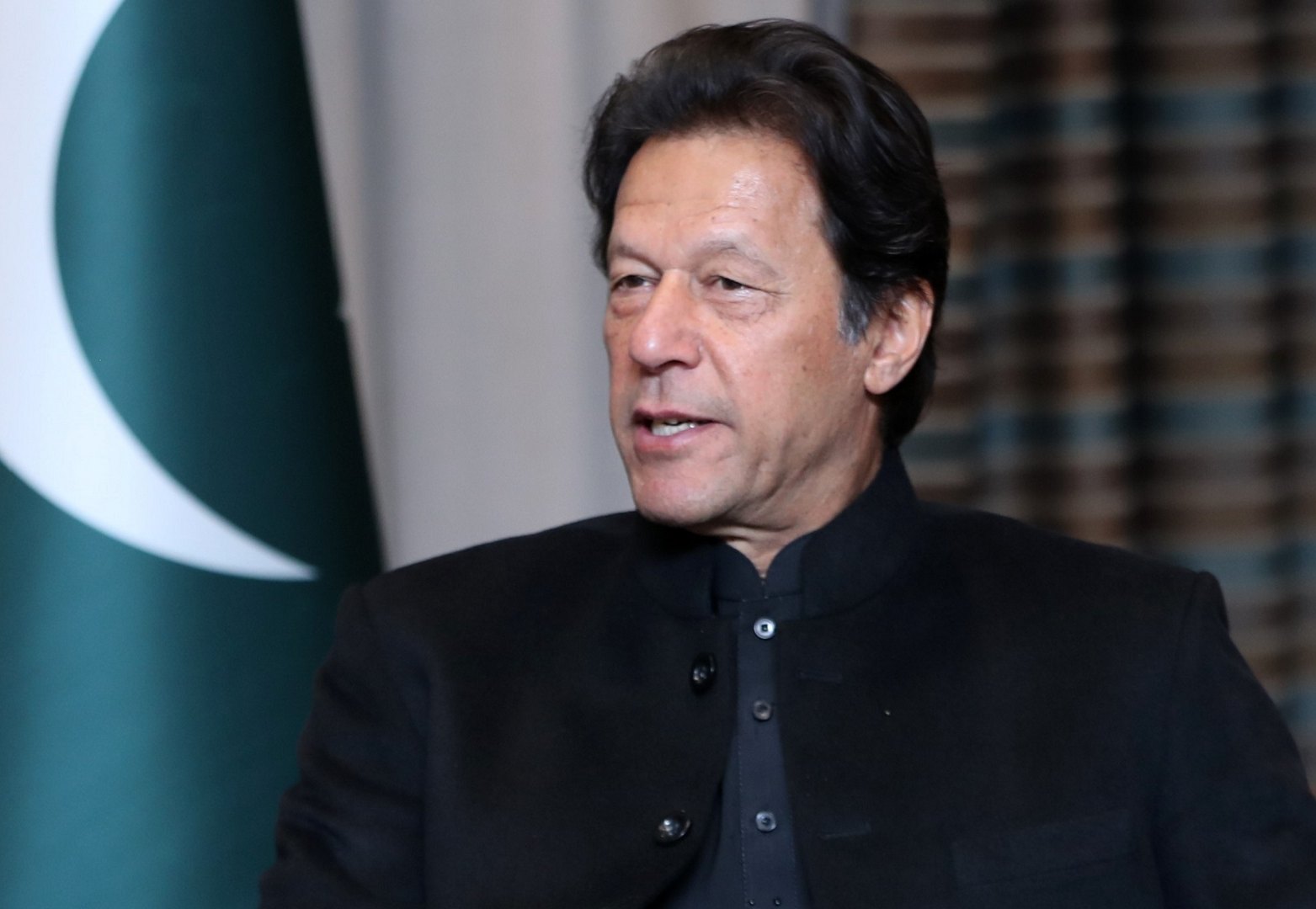
Rumors have begun circulating across political circles regarding a potential understanding between jailed former Prime Minister Imran Khan and Pakistan's military leadership, headed by Army Chief Asim Munir. While official denials remain standard procedure, speculation has intensified over whether an arrangement is being forged to alter the political landscape.
The friction between Khan and the military establishment is well documented. During his tenure, tensions escalated over leadership appointments and policy differences, ultimately culminating in his removal through a parliamentary no-confidence motion backed by the military. Despite subsequent legal hurdles that crippled his party, the Pakistan Tehreek-e-Insaf (PTI), and barred its official candidates, independent supporters managed to secure around one hundred parliamentary seats. Khan has also faced over a hundred legal cases since August 2023, spanning corruption charges, state secret leaks, and incitement of protests, resulting in multiple prison sentences that threaten to keep him behind bars indefinitely.
Recent developments have given credence to rumors of a thaw. Zulfikar Bukhari, a close associate of Khan, publicly stated that if released, Khan would not engage in direct confrontation with Army Chief Asim Munir, emphasizing that national stability must take precedence. Although Bukhari maintained that formal talks were not actively underway at that moment, the conciliatory tone signaled a potential shift.
Further fueling speculation, authorities recently released two of Khan's sisters from detention ahead of their scheduled sentence completion, a move viewed by observers as a calculated gesture. Meanwhile, Interior Minister Mohsin Naqvi, when questioned by the prominent newspaper Dawn regarding potential negotiations, formally denied any direct talks while asserting that legal rights and judicial processes would take their course.
Both sides face compelling incentives to reach an accommodation. For the military establishment, the persistent popularity of Khan among younger demographics presents an unyielding challenge. Public protests have demonstrated deep-seated discontent, while the current civilian administration struggles with severe economic distress, high inflation, mounting foreign debt, and public backlash over foreign policy stances. Historically, the military has shifted political alignments when incumbent civilian leadership loses public trust. Retaining Khan as a viable political alternative ensures the establishment maintains leverage regardless of shifts in government.
For Khan, the calculus is driven by the stark reality of prolonged incarceration and deteriorating health. With limited legal avenues remaining to secure his freedom through traditional judicial processes, a pragmatic understanding with the military offers the only viable pathway to resume political activity and secure the future of his party. Whether these backchannel signals mature into a formal arrangement remains one of the most closely watched questions in regional politics.